
Natural allies that boost production
Beneficial insects strengthen crops by naturally controlling pests, ensuring healthier plants, continuous growth, and more productive harvests.
In today’s agricultural landscape, where productivity and sustainability have become priorities, beneficial insects are gaining recognition as strategic allies capable of protecting crops without harming the environment. Often seen only as pests, insects can also be essential defenders, maintaining the natural balance of plantations and reducing losses caused by unwanted invaders.
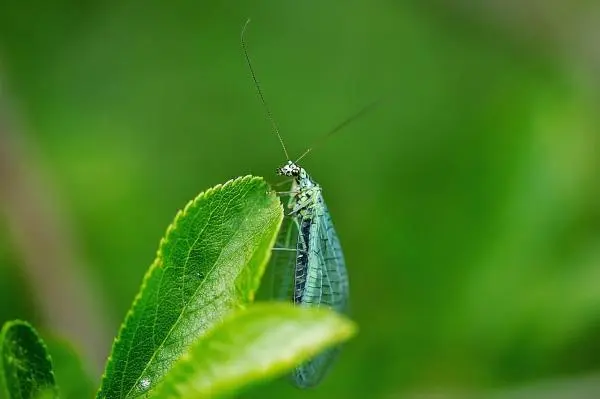
These tiny guardians contribute to biological control, a practice increasingly adopted by growers who seek maximum quality without overusing chemical products. Among the champions of this mission are ladybugs, natural protectors that quickly devour aphids, preventing these sap suckers from weakening leaves and reducing photosynthesis. Another powerful ally is the lacewing, a voracious predator of larvae, insect eggs, and other pests that threaten healthy plant development. The parasitoid wasp also stands out by attacking whiteflies, aphids, and caterpillars, protecting crops continuously and silently.
By introducing beneficial insects, growers strengthen crops naturally, improve yields, reduce spending on chemical insecticides, and preserve ecological balance. The result is stronger plants, more productive harvests, and a healthier environment for both the planet and consumers. It is an efficient, intelligent, and highly sustainable solution that continues to expand worldwide.
You may also be interested in reading about: Insecticides that are transforming agricultural production
Beneficial insects in hydroponics
In hydroponics, beneficial insects play an even more strategic role, protecting plants without altering the nutrient solution. These allies eliminate pests that can attack leaves, roots, and plant structures, preventing damage that could compromise productivity. Because this control is natural, growers maintain a clean, balanced, and safe system, increasing crop quality and ensuring stronger plants without the risk of chemical contamination.
With these natural protectors, hydroponic farming becomes even more sustainable, efficient, and modern, supporting high performance with full respect for nature. Growers and professionals seeking excellence are already adopting this strategy and enjoying the benefits of healthier, safer, and more productive cultivation.
Do you have harmful insects in your crops?
Don’t worry, our insecticides protect your plants quickly and keep your crop healthy.
