The Future of Growing in 2026
In 2026, United States cultivation advances through technology, efficiency, sustainability, and controlled environments, reshaping agriculture and food production nationwide.
The year 2026 is shaping up to be a defining moment for agriculture in the United States, driven by innovation, climate awareness, technology, and a renewed focus on efficient food production. Farmers, growers, investors, and consumers are all part of a rapidly changing ecosystem where traditional cultivation methods are merging with advanced growing systems, data driven decisions, and sustainable practices that aim to secure the future of food. Across urban centers and rural regions alike, cultivation is no longer just about land and seasons, it is about precision, resilience, and adaptability.
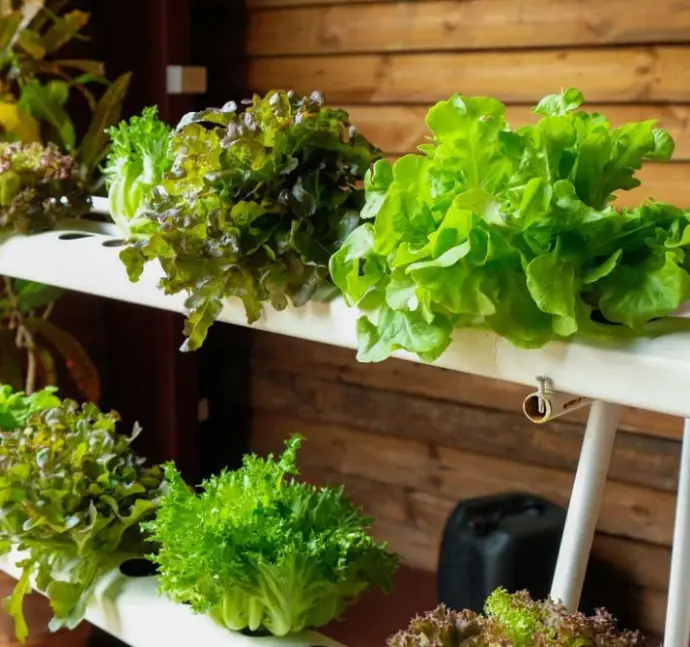
One of the most significant trends expected to accelerate in 2026 is the expansion of controlled environment agriculture. Growers are increasingly moving production indoors, where temperature, humidity, light, and nutrients can be carefully managed. This shift responds directly to climate volatility, unpredictable weather patterns, and water scarcity. In the United States, regions once limited by droughts, frosts, or excessive heat are now becoming productive year round thanks to innovative cultivation technologies that reduce dependency on external conditions.
Technology will play a central role in shaping cultivation strategies. The integration of artificial intelligence, real time sensors, and automated monitoring systems is becoming more accessible and affordable. These tools allow growers to analyze plant health, optimize nutrient delivery, reduce waste, and predict yields with remarkable accuracy. By 2026, data driven agriculture will no longer be exclusive to large corporations, it will increasingly empower small and medium sized producers, leveling the playing field and fostering more competitive local markets
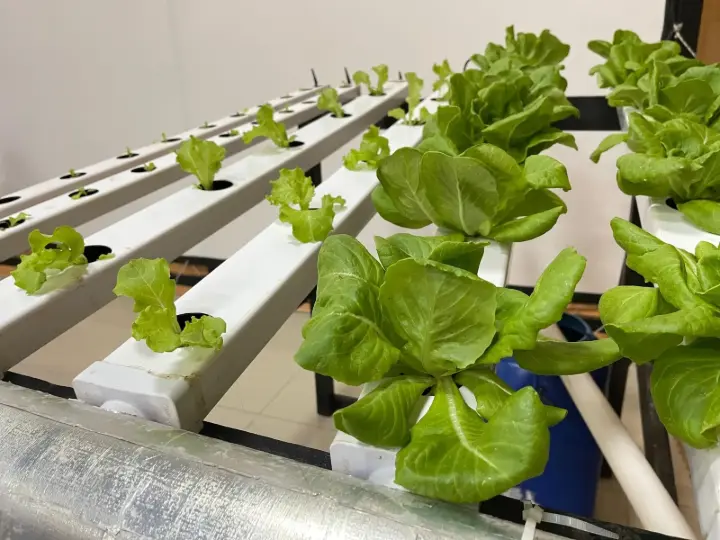
Another major focus for 2026 is water efficiency. With freshwater resources under increasing pressure, cultivation systems that use less water while maintaining high productivity are gaining traction. Growers are adopting recirculating systems that dramatically reduce consumption compared to conventional soil based farming. In many states, incentives and regulations are encouraging the adoption of water saving technologies, positioning the United States as a global leader in resource conscious food production.
Urban cultivation is also expected to expand significantly. As cities continue to grow, unused spaces such as rooftops, warehouses, and abandoned buildings are being transformed into productive growing environments. This movement shortens supply chains, reduces transportation emissions, and delivers fresher produce directly to consumers. In 2026, urban agriculture will not just be a niche trend, it will be a strategic component of food security and economic development in metropolitan areas.
Policy and investment trends further support this evolution. Public and private funding is increasingly directed toward sustainable cultivation initiatives, research programs, and infrastructure development. Universities, startups, and agricultural institutions are collaborating to refine growing techniques, develop resilient crop varieties, and train a new generation of growers skilled in both technology and plant science. The result is a dynamic agricultural landscape that blends tradition with innovation.
Consumer behavior is also influencing what lies ahead. Demand for fresh, locally grown, and transparently produced food continues to rise. By 2026, consumers are expected to be even more informed about how their food is grown, favoring systems that prioritize environmental responsibility, consistent quality, and reduced chemical inputs. This shift in demand encourages growers to adopt practices that align with both sustainability and profitability.
Looking ahead, 2026 represents an opportunity for the United States to redefine cultivation on its own terms. By embracing modern growing systems, investing in technology, and prioritizing efficiency, the country is preparing to meet future challenges head on. The fields, greenhouses, and indoor farms of tomorrow will reflect a smarter, cleaner, and more resilient approach to agriculture, one that supports farmers, strengthens communities, and ensures a stable food supply for years to come.
Start 2026 with your own home growing!
With Todo Hidro home gardens, grow fresh food year round, save water, optimize space, and enjoy sustainable harvests at home.