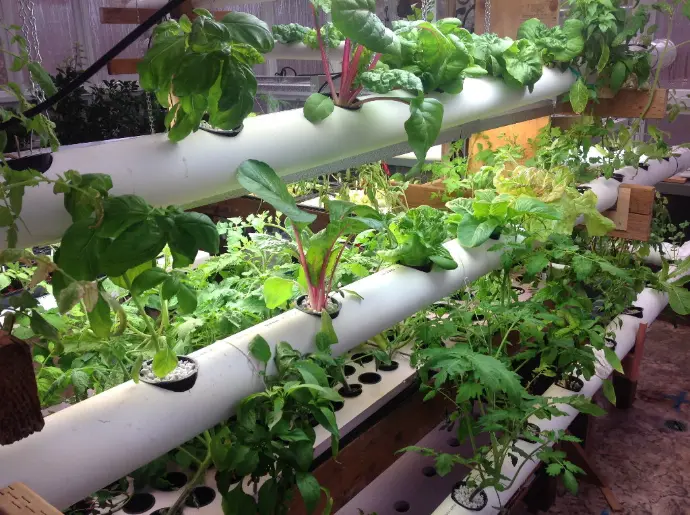
Hydroponics Boosts U.S. Farming
Hydroponics transforms U.S. agriculture by improving crop growth, efficiency, and sustainability, offering protection against climate challenges and higher yields.
In recent years, hydroponics has emerged as one of the most innovative and promising methods in modern agriculture, particularly in the United States, transforming the way farmers approach cultivation and production. Unlike traditional soil-based farming, hydroponic systems allow crops to grow in nutrient-rich water solutions, giving farmers full control over nutrition, water usage, and environmental conditions. This revolutionary approach has become increasingly relevant as climate variability, extreme weather events, and global demand for high-quality food continue to challenge traditional agricultural practices.
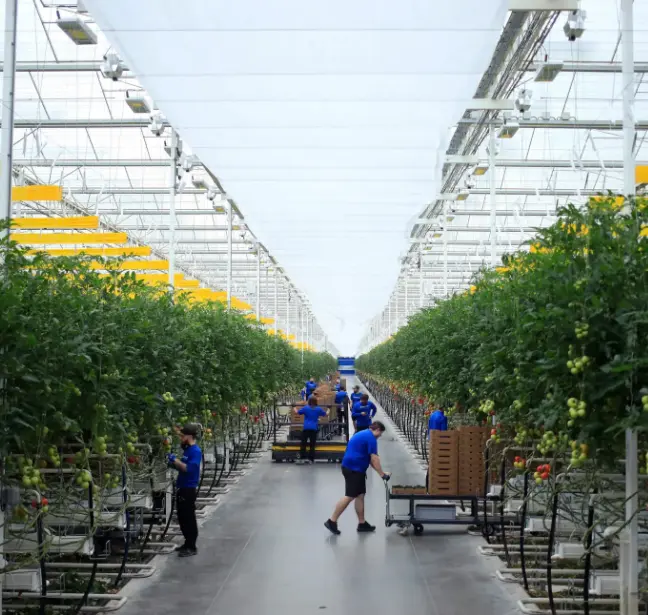
Across the United States, from the Midwest to the West Coast, hydroponics has been steadily gaining ground. Farmers are increasingly turning to controlled environment agriculture, using hydroponic technologies to grow leafy greens, tomatoes, peppers, herbs, and other high-value crops year-round. Unlike conventional fields that are vulnerable to droughts, floods, and pest outbreaks, hydroponic systems offer stability, predictability, and higher yields, making them an attractive option for both small-scale urban growers and large commercial operations.
One of the most significant advantages of hydroponics is its ability to improve crop quality and growth efficiency. By delivering nutrients directly to the roots in a controlled solution, plants receive exactly what they need for optimal development, resulting in faster growth, larger harvests, and more consistent produce. This precision also reduces waste and ensures that crops are healthier, more nutrient-dense, and visually appealing, qualities that are increasingly valued by consumers and retailers alike.
Hydroponics also allows farmers to maximize space and produce more crops in smaller areas. Vertical farming systems, often integrated with hydroponic technology, enable multiple layers of crops to be cultivated in a single structure, multiplying output without requiring additional land. This is particularly beneficial in urban areas, where traditional farmland is limited, and access to fresh produce can be a challenge. By implementing hydroponic systems, cities across the United States are establishing local food networks that provide fresh, sustainable produce while reducing transportation costs and environmental impact.
Another crucial benefit of hydroponics is resource efficiency, particularly in terms of water usage. Traditional soil farming can suffer significant water loss through runoff, evaporation, and inefficient irrigation. Hydroponic systems recycle water and nutrients, using significantly less water while maintaining optimal plant growth. This advantage is critical in regions facing water scarcity or where climate change has led to unpredictable rainfall patterns. Farmers using hydroponics can maintain stable production even during droughts, making the system a resilient solution for future agricultural challenges.
Hydroponics also plays a vital role in reducing the impact of pests and diseases on crops. Flooding, excessive soil moisture, and other environmental factors in traditional farming often exacerbate pest problems and encourage disease proliferation. In controlled hydroponic environments, exposure to pathogens is minimized, reducing the need for chemical treatments and supporting the cultivation of healthier, pesticide-free crops. This is particularly important for meeting the growing consumer demand for organic and sustainable produce, as well as for supplying restaurants, grocery stores, and local markets with consistent high-quality products.
The growth of hydroponics in the United States has also been fueled by technological advancements. Modern hydroponic farms integrate sensors, automated nutrient delivery systems, climate control, and data-driven monitoring to optimize plant health and maximize yield. These tools allow farmers to respond quickly to changes in environmental conditions, detect potential problems before they affect crops, and maintain precise control over every aspect of plant growth. The combination of technology and hydroponics is revolutionizing agricultural efficiency and enabling farms to produce more with less.
Hydroponics also provides economic benefits by creating opportunities for diversification. Farmers who traditionally focus on staple crops such as corn, wheat, or soybeans can incorporate hydroponic production of high-value vegetables, herbs, and fruits to stabilize income and reduce risk. By integrating hydroponics into existing operations, producers can create complementary revenue streams while protecting their primary crops from weather extremes and market fluctuations. This flexibility is essential for sustaining profitability in a rapidly changing agricultural landscape.
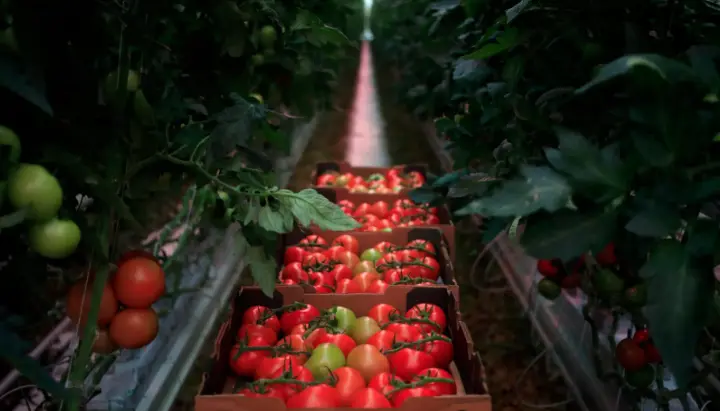
In addition to economic and environmental advantages, hydroponics contributes to food security in the United States. By enabling year-round production, the system ensures a reliable supply of fresh, nutritious crops regardless of season or climate conditions. Urban hydroponic farms can supply local communities, reducing reliance on long supply chains that are vulnerable to disruption from storms, transportation delays, or other external factors. This localized production model is increasingly important as cities seek to provide residents with healthy food options and strengthen regional food systems.
Despite its many benefits, experts note that hydroponics is not intended to completely replace traditional agriculture. Instead, it serves as a complementary strategy, enhancing productivity, resilience, and sustainability. Farmers adopting hydroponic methods must invest in training, infrastructure, and ongoing management to ensure success, particularly in regions where the technology is new. Public and private initiatives, including grants, educational programs, and technical support, are essential to expanding hydroponic adoption across the country and making it accessible to both small and large producers.
Hydroponics is also promoting innovation in agriculture education and research. Universities, agricultural institutions, and private companies are conducting studies to optimize nutrient solutions, explore new plant varieties, and improve system efficiency. These efforts are creating a pipeline of knowledge and skilled labor to support the next generation of farmers, engineers, and agronomists who will continue to advance sustainable agriculture in the United States.
In conclusion, the rise of hydroponics represents a major transformation in American agriculture. By providing controlled growing conditions, resource efficiency, and protection from environmental challenges, hydroponics is helping farmers increase yield, improve quality, and secure stable production. Its ability to integrate with urban farming, diversify crop portfolios, and enhance sustainability makes it a critical tool for meeting the demands of a growing population and an increasingly complex global food market.
As the United States continues to face challenges such as climate change, extreme weather, and population growth, hydroponics offers a path forward. By combining technology, innovation, and traditional farming knowledge, hydroponics ensures that agriculture can thrive in a changing world. Its continued expansion will likely redefine the future of farming, providing efficient, sustainable, and high-quality food production for generations to come.
Be Part of the Change!
With our hydroponic systems from Todo Hydro, you can grow fresh, healthy crops easily and reliably.