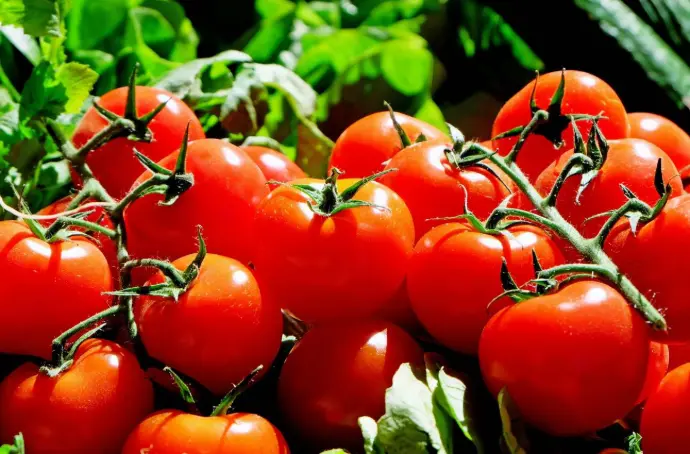
Tomato Production in the U.S
Tomato farming in the U.S. is advancing with controlled environments, higher yields, improved flavor and sustainable water use for year round production.
The tomato has always been one of the most iconic crops in modern agriculture, and in recent years, its production in the United States has undergone a remarkable transformation driven by hydroponic technology, controlled environments and large scale greenhouse innovation. Today, the hydroponic tomato is not only a symbol of agricultural progress but also a practical solution to critical challenges such as climate instability, soil degradation, water scarcity and the growing demand for year round fresh produce across the country. As consumer expectations evolve and retailers prioritize high quality food with consistent flavor, color and shelf life, the hydroponic industry continues expanding its footprint from Arizona to New York, reshaping the future of tomato farming.
Hydroponics gives growers the ability to control virtually every variable involved in tomato production, including pH, electrical conductivity, temperature, lighting, humidity, irrigation frequency and nutrient ratios. This precision is one of the primary reasons why many U.S. growers are replacing traditional systems with high tech hydroponic operations. In states like California, where drought has become a structural issue, the ability to produce tomatoes with up to 90 percent less water compared to field farming is not only beneficial but essential for long term viability. Hydroponic greenhouses and vertical farms create a controlled environment that stabilizes production, reduces the risk of crop loss and supports a steady supply for national markets.
One of the most significant advantages of growing tomatoes hydroponically in the United States is the capacity to produce twelve months a year, regardless of outside conditions. In colder states such as Michigan, Wisconsin and Pennsylvania, growers use advanced heating systems, LED grow lights and insulated greenhouse designs to maintain ideal growth conditions from January to December. This year round production strengthens local food systems, reduces reliance on imported tomatoes and ensures consistent pricing for both retailers and consumers. At the same time, indoor production drastically reduces the presence of soil borne pathogens, nematodes and fungal diseases that commonly affect field grown tomatoes, thereby lowering the need for pesticides and improving overall sustainability.
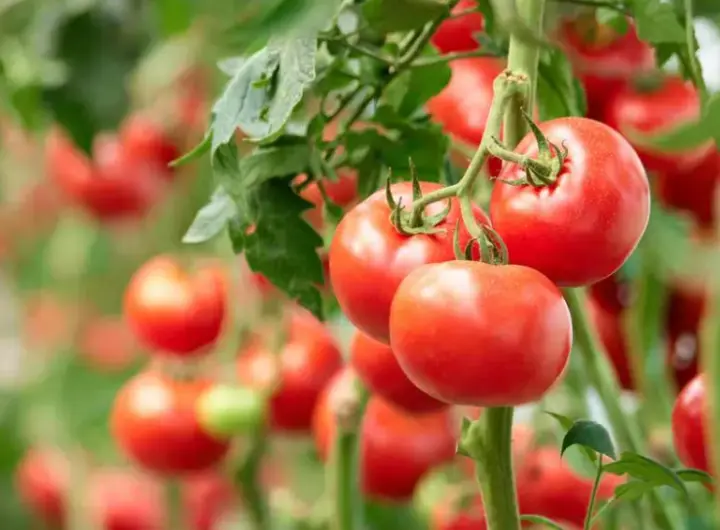
Hydroponic tomatoes also stand out for their superior quality. Since growers can adjust nutrient levels with precision, they are able to optimize specific characteristics such as firmness, brix level, acidity, aroma and post harvest durability. For example, a strategic increase in potassium during the fruiting stage enhances sweetness, while maintaining adequate calcium improves firmness and prevents blossom end rot. This level of nutritional control is not possible in soil based farming, where environmental variability influences nutrient uptake. As a result, hydroponically grown tomatoes often present more uniform size, better flavor consistency and a longer shelf life, attributes highly valued by supermarkets and restaurants in the United States.
The variety selection in hydroponic tomato production has also evolved. Producers are increasingly choosing cherry, grape, beefsteak, cluster and roma types, each adapted to high density greenhouse layouts. Cherry and grape tomatoes, in particular, have become extremely popular in vertical farms due to their compact growth pattern and rapid turnover rates. Beefsteak tomatoes continue to dominate large greenhouse operations because of their high market value and strong demand in retail channels. Many growers are also experimenting with specialty varieties such as high brix cocktail tomatoes, focusing on flavor as a key differentiator for premium markets.
Economically, hydroponic tomato production in the United States offers strong advantages despite the initial investment required for greenhouse structures, climate control equipment and fertigation systems. Once established, the returns can be substantial. Controlled environments support yields between 50 and 70 kilograms per square meter per year, far exceeding the productivity of open field crops. In addition, hydroponic systems require fewer labor hours for tasks such as weeding, soil preparation and pest control. Many U.S. operations integrate automation solutions including irrigation timers, environmental sensors, nutrient controllers and even robotic harvesting technologies, all of which contribute to efficiency and profitability.
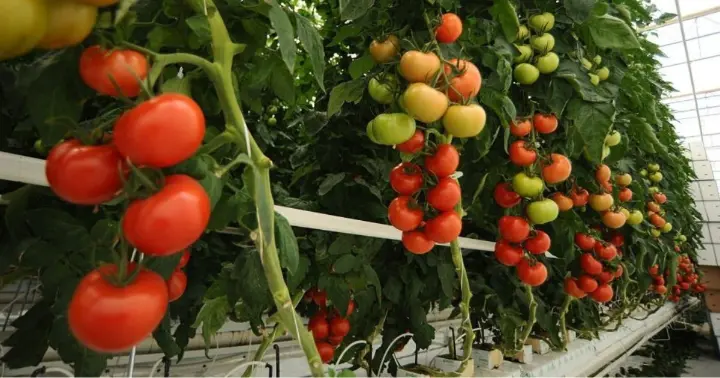
Sustainability plays a central role in the rise of hydroponic tomato farming. As consumers increasingly seek food grown with minimal environmental impact, hydroponics offers solutions that align perfectly with this shift. The ability to recirculate nutrient solutions, use closed loop irrigation, reduce chemical runoff and minimize water waste makes this method far more environmentally friendly than conventional agriculture. Some U.S. hydroponic farms are even adopting solar energy systems, rainwater harvesting and biodegradable growing media to push sustainability to even higher levels.
From a broader perspective, the rise of hydroponic tomato production reflects a larger movement toward controlled environment agriculture, a sector that continues attracting investors, researchers and technology companies. Universities and agricultural institutes across the United States are conducting extensive studies on nutrient optimization, integrated pest management, LED light spectra and climate efficiency, all aimed at improving yields and reducing costs. These innovations will define the next decade of hydroponic tomato production, making it more accessible and effective for both small growers and large commercial farms.
As the U.S. population grows and climate challenges intensify, hydroponic tomato farming stands out as a clear path forward. With its combination of efficiency, sustainability and superior product quality, hydroponics is no longer an alternative system but a central pillar of modern horticulture in the United States. The tomato, once bound to the limitations of soil and weather, is now at the forefront of agricultural innovation, proving how technology and biology can work together to nourish a changing world.
All tomato seeds
Get tomato seeds and many more premium varieties at Todo Hydro, your trusted source for quality products.