Medicinal Green
Medicinal cannabis grows rapidly, with hydroponic cultivation and innovative products improving health, offering relief, and transforming modern therapeutic approaches.
In recent years, cannabis has emerged as a significant topic in the United States, both in the realm of medicinal use and recreational consumption. With an increasing number of states legalizing cannabis in some form, the plant has become more accessible, fostering research, innovation, and economic growth. From news reports highlighting legal developments to scientific studies exploring therapeutic benefits, cannabis is at the forefront of national attention, shaping public perception and policy.
The medicinal use of cannabis is one of the most important aspects of its adoption in the United States. Millions of Americans rely on cannabis to manage a variety of health conditions, including chronic pain, anxiety, depression, insomnia, and neurological disorders. In states like California, Colorado, and New York, patients with qualifying conditions can obtain medical cannabis through regulated dispensaries. Research indicates that compounds found in cannabis, such as CBD and THC, can help alleviate symptoms for patients who may not respond well to traditional pharmaceuticals. The news surrounding medicinal cannabis often emphasizes patient success stories, clinical trials, and ongoing debates about accessibility, dosage, and regulation.
News coverage in the United States also frequently explores legal updates related to cannabis. While recreational cannabis is now legal in over twenty states, each state maintains its own regulations concerning cultivation, distribution, and consumption. Federal laws still classify cannabis as a controlled substance, creating a complex legal landscape. This dual system has generated numerous headlines, focusing on policy changes, legalization efforts, and conflicts between state and federal authorities. For consumers and investors alike, staying informed about these developments is crucial, as regulatory shifts can influence both market opportunities and personal use.
You may also be interested in reading about: Hydroponic Lettuce Gains Ground Across the United States as Demand for Clean and Sustainable Food Surges
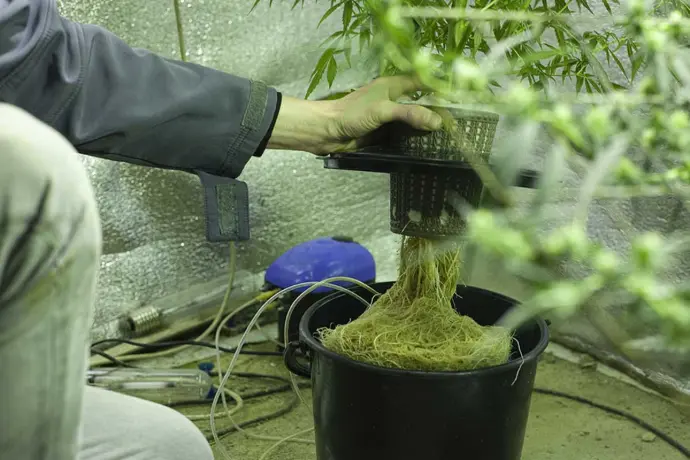
When it comes to cannabis cultivation, there are several methods used to grow healthy and potent plants. Traditional soil cultivation remains popular, but many growers are turning to more advanced techniques such as hydroponics, indoor controlled environments, and automated growing systems. Hydroponics allows growers to cultivate cannabis without soil by using nutrient-rich water solutions, providing precise control over essential factors like nutrient balance, pH levels, and water supply. This method often results in faster growth, higher yields, and superior quality compared to conventional soil growing. Hydroponic systems can range from small home setups to large commercial operations, making it a versatile solution for both beginners and professional cultivators.
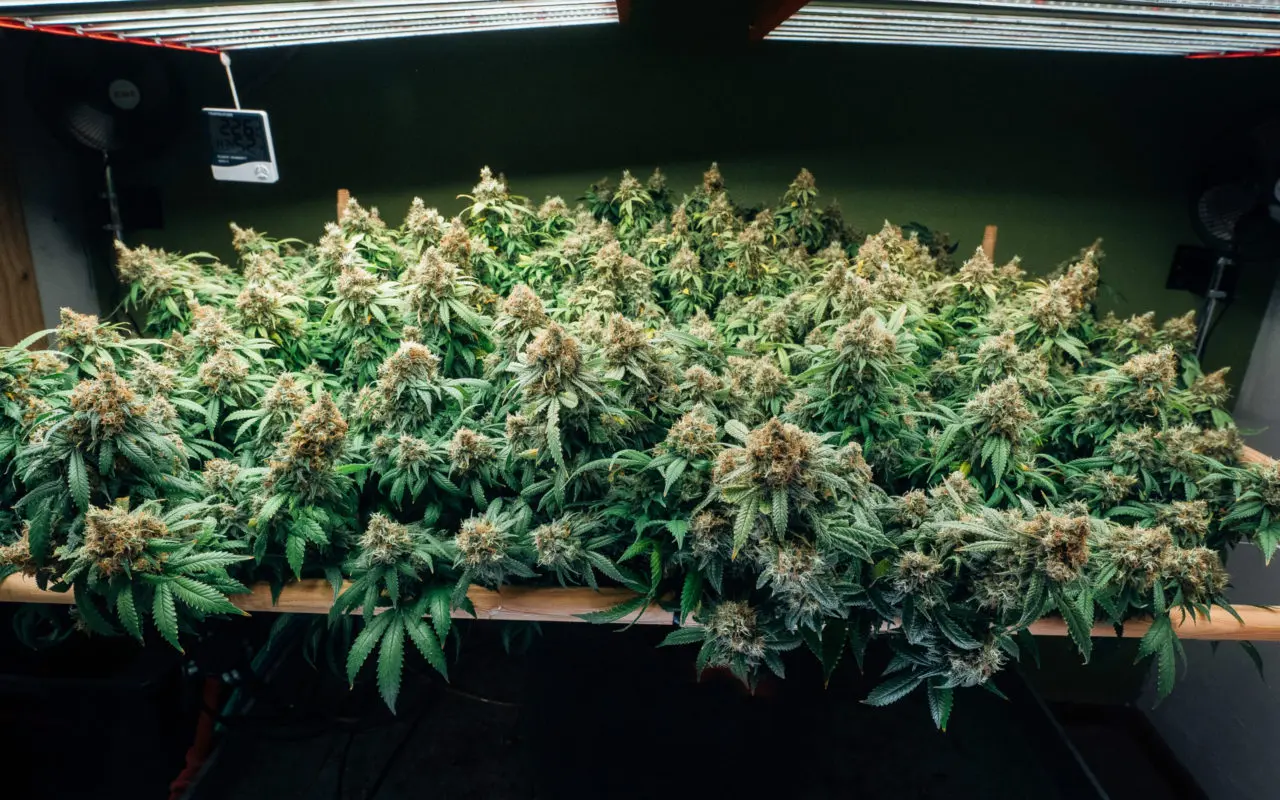
The rise of hydroponic cultivation in the United States has also influenced cannabis news coverage. Articles often highlight innovations in technology, such as LED lighting systems, automated nutrient delivery, and climate control systems that optimize plant growth. Hydroponics has become a symbol of modern cannabis cultivation, demonstrating how science and technology can improve efficiency, consistency, and overall quality. For many growers, this method represents the future of cannabis agriculture, allowing year-round production with predictable results.
In addition to cultivation methods, the cannabis industry in the United States is rapidly expanding into new markets and product types. Beyond dried flower, dispensaries now offer a wide variety of cannabis products, including oils, tinctures, edibles, beverages, topicals, and concentrates. Each product is designed to provide specific effects, whether for medicinal relief or recreational enjoyment. News reports frequently cover emerging trends, consumer preferences, and product innovations, reflecting the dynamic nature of this industry. Companies invest heavily in research and development, seeking to create safer, more effective, and appealing cannabis products.
Economic news related to cannabis also highlights its role in job creation and tax revenue. In states where cannabis is legal, the industry supports thousands of jobs in cultivation, distribution, retail, research, and marketing. Cannabis-related taxes contribute millions of dollars to state budgets, funding programs in education, healthcare, and infrastructure. As legalization spreads, the economic impact of cannabis continues to grow, making it a significant factor in local and national economies. These developments are frequently discussed in news outlets, providing insights into market trends, investment opportunities, and policy implications.
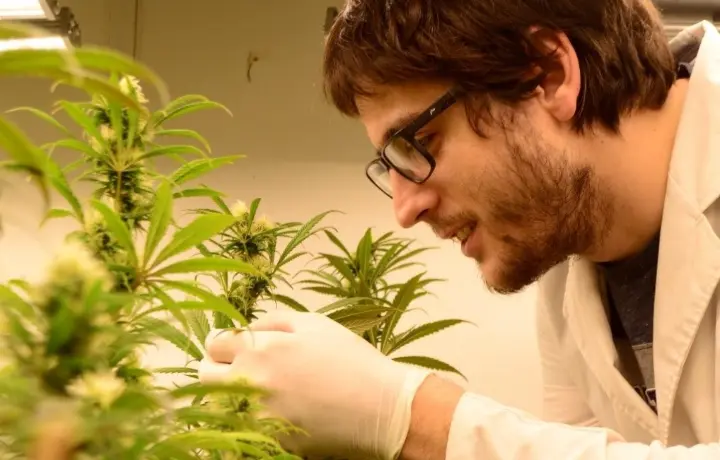
Scientific research on medicinal cannabis is another area gaining attention in the United States. Studies have shown potential benefits for patients with conditions such as epilepsy, multiple sclerosis, PTSD, and chronic pain. Researchers are exploring how cannabinoids interact with the human endocannabinoid system, which regulates a variety of physiological processes. Clinical trials are also investigating the potential of cannabis as an adjunct therapy, reducing reliance on opioid medications and improving patient quality of life. News articles often report these findings, highlighting both the promise of cannabis as a treatment and the need for further investigation to ensure safety and efficacy.
In addition to its medicinal applications, cannabis cultivation practices in the United States emphasize sustainability and environmental responsibility. Many growers implement water-saving techniques, energy-efficient lighting, and organic nutrient solutions to minimize their ecological footprint. Hydroponics plays a role in these efforts by reducing water usage compared to traditional soil cultivation and allowing precise control of nutrient delivery, resulting in less waste and higher efficiency. Environmental sustainability is increasingly featured in news stories, reflecting public interest in eco-friendly practices within the cannabis industry.
Community engagement and education are also central to the evolving cannabis landscape in the United States. Dispensaries, advocacy groups, and research organizations provide information about safe consumption, legal compliance, and medical applications. News stories often highlight public events, workshops, and campaigns aimed at raising awareness and reducing stigma. As cannabis becomes more mainstream, accurate reporting is essential to help consumers make informed decisions and understand the plant’s potential benefits and risks.
Overall, the presence of cannabis in the United States represents a convergence of science, medicine, technology, and culture. Medicinal use continues to grow, providing relief for patients across the country, while news coverage keeps the public informed about legal changes, market trends, and scientific discoveries. Cultivation methods, particularly hydroponics, demonstrate how innovation can improve quality and efficiency, shaping the future of the industry. The expansion of cannabis products, combined with economic and environmental considerations, highlights the plant’s significance beyond recreational use.
In conclusion, cannabis in the United States is more than a plant; it is a topic of ongoing discussion, innovation, and exploration. From the medicinal benefits that improve lives to the technological advances in cultivation like hydroponics, the industry continues to evolve and influence society. News coverage, research, and public engagement all play a role in shaping perceptions, guiding policy, and promoting responsible use. As legalization spreads and knowledge expands, cannabis remains a key subject in American culture, economy, and healthcare.
Grow in your Grow Pot
At Todo Hydro, we always prioritize quality and sustainability, cultivating healthy cannabis in our advanced grow pots