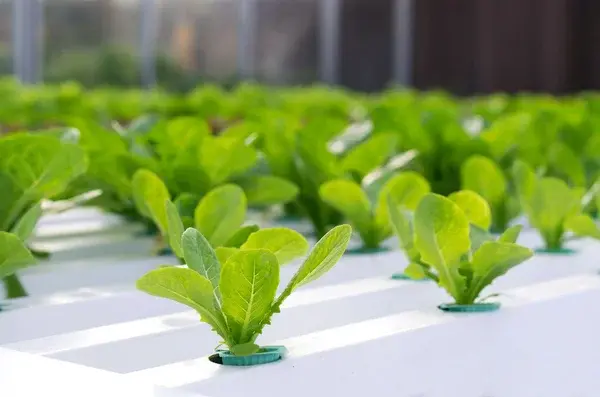
The new era of hydroponic lettuce in the United States
Hydroponic production is expanding fast delivering cleaner fresher and more sustainable lettuce with year round stability and consistently high quality for growers and consumers.
The landscape of agricultural production in the United States is undergoing a remarkable transformation and at the center of this shift is hydroponic lettuce, a crop that has rapidly moved from a niche method to a mainstream solution for modern food production. As urban expansion reduces available farmland climate patterns become increasingly unpredictable and consumers demand fresher more sustainable food, hydroponic systems are emerging as one of the most efficient and reliable answers for growers across the country.
Across several states from California and Arizona to Florida New York and Colorado commercial growers are investing heavily in high tech greenhouses, vertical farms, and controlled environment agriculture facilities. In these spaces lettuce grows not in soil but in nutrient rich water channels that allow precision control over every stage of the plant’s development. The result is a cleaner product with consistent size flavor color and texture all produced in environments that operate year round regardless of external climate conditions.
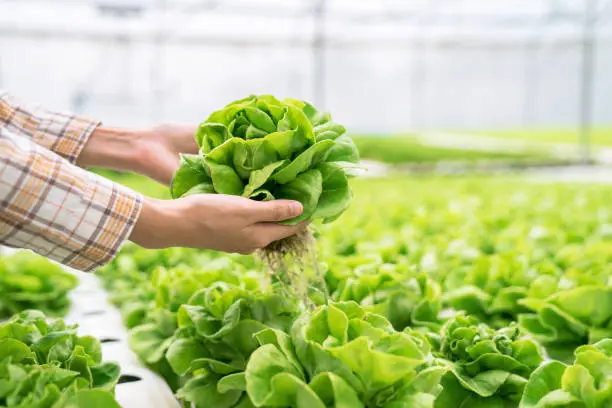
Producers highlight that hydroponic lettuce has several advantages that are gaining national attention. Because the roots receive oxygen and nutrients directly the plants grow faster and more uniformly than in traditional soil systems. Water use drops by up to ninety percent in many operations since hydroponics recirculates and reuses the nutrient solution. Additionally the controlled environment reduces the presence of pests and diseases, sharply lowering the need for pesticides and creating a safer product that appeals to health conscious consumers.
Retail chains restaurants and local markets are recognizing this shift and forming partnerships with hydroponic farms to secure a steady supply of fresh lettuce that can be harvested and delivered the same day. Many of these facilities are located close to urban centers which drastically cuts transportation time and maintains the crispness and freshness that customers expect. In cities like Chicago and New York, hydroponic lettuce grown just miles away from distribution hubs is already a staple in supermarkets and salad bars.
You may also be interested in reading about: Climate Change Threatens U.S. Harvests as Farmers Turn to Hydroponics for a More Resilient Future
Researchers and agricultural specialists point out that hydroponics also offers resilience in times of environmental instability. Droughts heatwaves and extreme weather events have caused significant losses for traditional growers while hydroponic farms continue producing at full capacity. This reliability is becoming critical as the nation’s food supply faces increasing pressure from climate change and population growth.
The rise of hydroponic lettuce is also influencing younger entrepreneurs who are entering agriculture through technology driven pathways. New companies are blending engineering biology and renewable energy to create hyper efficient farms that use artificial lighting, automated nutrient dosing, and real time monitoring systems to optimize growth. These innovations are helping the hydroponic industry expand beyond specialty markets and position itself as a large scale solution for feeding millions.
Economically the sector shows strong momentum. Analysts report that hydroponic lettuce commands a higher market value due to its quality reduced chemical exposure and guaranteed cleanliness. Restaurants appreciate its longer shelf life while distributors favor its predictability and year round availability. Investment in vertical farming companies has also increased as financial institutions recognize the sector’s growth potential and long term stability.
For consumers the impact is already visible on grocery shelves. Butterhead, romaine, oakleaf, and crisp varieties are now commonly labeled as hydroponic and marketed as fresher and safer alternatives. Many buyers report preferring these products due to their taste texture and lack of soil residue. As demand grows producers are expanding their ranges to include specialty greens mixes and premium varieties that thrive especially well in hydroponic systems.
Experts believe that what is happening today with lettuce could set the model for the future of agriculture in the United States. Hydroponics is demonstrating that it is possible to produce large quantities of high quality food with far fewer resources and minimal environmental impact. With consumer preference shifting toward cleaner sustainable and locally grown greens, the hydroponic lettuce industry is positioned to become one of the strongest pillars of modern food production.
The rise of hydroponic lettuce is not just a trend but a sign of how the country is rethinking the way it grows food. As systems become more efficient technologies become more accessible and public interest continues to rise the United States may soon see hydroponic cultivation move from innovative to essential in the nation’s agricultural future.
Discover our wide variety of lettuces
At Todo Hydro you’ll find fresh crisp and high quality hydroponic lettuces grown with precision sustainable practices and consistent results for every type of grower.