A Climate Crisis Forcing a New Way to Grow
As global warming devastates fields, hydroponics emerges as a controlled, reliable and sustainable method to secure future harvests.
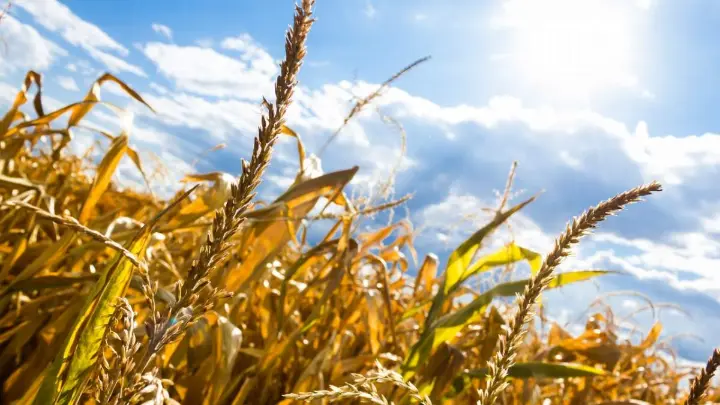
The impact of global warming on agriculture in the United States has reached a critical point with farmers across the country reporting unprecedented losses caused by extreme heat unpredictable seasons droughts and violent storms. What once were rare climate events are now frequent realities affecting the stability of food production and pushing both large and small producers to rethink how and where crops can successfully grow in the decades ahead.
In states like California and Texas, record breaking temperatures have scorched fields dried soils and accelerated water shortages. In the Midwest heavy rainfall and flooding have delayed planting seasons drowned crops and damaged the structure of farmland. The Southeast has faced heat waves combined with invasive pests thriving in warmer climates. These changes are not isolated incidents but part of a growing pattern that threatens national food security and puts pressure on the entire agricultural system.
Scientists warn that traditional farming may become increasingly difficult as climate conditions continue to intensify. Rising temperatures reduce yields weaken plant resistance and increase the spread of diseases. Droughts limit irrigation possibilities and force farmers to rely on shrinking water reserves. Meanwhile storms hurricanes and frost events are destroying millions of dollars in produce each year. For many experts the message is clear the old methods are no longer guaranteed to support stable food production in the future.
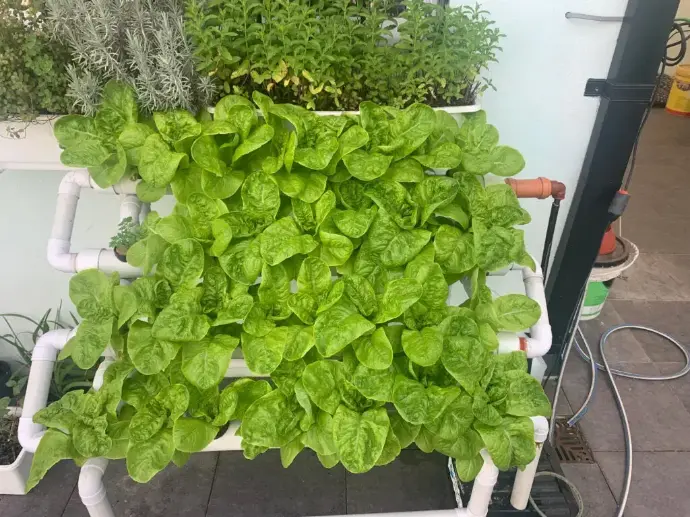
Against this challenging backdrop hydroponics is emerging as one of the most promising solutions for modern agriculture. This soilless cultivation method allows plants to grow in controlled environments where temperature humidity lighting and nutrient levels are managed with precision regardless of external climate conditions. As a result farmers are producing lettuce herbs strawberries tomatoes and other crops year round even in regions where traditional agriculture has become unpredictable.
You may also be interested in reading about: Hydroponic Lettuce Gains Ground Across the United States as Demand for Clean and Sustainable Food Surges
Hydroponic systems use up to ninety percent less water than conventional farming an essential advantage in areas affected by prolonged drought. Because the system recirculates water nothing is lost to evaporation or runoff. Additionally plants grow faster and more uniformly thanks to the consistent supply of nutrients and oxygen provided directly to their roots. The controlled environment keeps pests and diseases to a minimum allowing growers to reduce pesticide use and deliver cleaner safer produce to consumers.
Urban centers across the country including New York Chicago Denver and Los Angeles are witnessing a rise in high tech greenhouses and vertical farms that bring food production closer to the point of consumption. This shift not only reduces reliance on long transportation routes but also ensures that communities have access to fresh local and sustainable vegetables even in regions facing environmental instability.
Experts believe that climate resilient farming methods such as hydroponics will play a crucial role in the future of U.S. food production. With climate change expected to intensify in the coming decades innovation is no longer optional but necessary. Hydroponics offers a pathway to reliable continuous and environmentally intelligent agriculture capable of producing high quality food with fewer resources and far less vulnerability to extreme weather.
As farmers researchers and investors continue to support this transformation the United States is moving closer to a model of agriculture that combines technology sustainability and resilience. In a world where the climate is increasingly uncertain hydroponics is proving to be not just an alternative but a foundation for the future of farming.
Be part of the change
At Todo Hydro, we always prioritize the environment with our sustainable hydroponic gardens.