Colder Winters Threaten U.S. Crops
Colder winters in the U.S. threaten traditional crops, while hydroponics ensures year-round growth, higher yields, and protection from harsh weather.
In recent years, colder winters and unusual climate patterns have increasingly affected agricultural regions across the United States, posing significant challenges to traditional farming practices. From the Midwest to the Northeast and parts of the Pacific Northwest, farmers are reporting longer, harsher winters, frequent frost events, and unpredictable temperature swings that directly impact crop growth, yield, and overall farm productivity. Experts note that these shifts are driven by a combination of natural climate variability and global climate change, resulting in extreme weather becoming more common and increasingly difficult to manage.
Farmers in states like Iowa, Minnesota, Wisconsin, New York, and Pennsylvania have observed record-low temperatures during key growing seasons, with frost events extending into periods traditionally considered safe for planting. Cold stress affects plant physiology, slowing growth, damaging foliage, and in severe cases, killing young or sensitive plants. Crops such as corn, soybeans, wheat, lettuce, tomatoes, and other vegetables are particularly vulnerable to frost and prolonged cold, resulting in reduced yields, delayed harvests, and increased financial risk for farmers.
In addition to temperature challenges, colder winters often lead to changes in precipitation patterns, including heavy snowfall, ice storms, and early spring flooding from melting snow. These conditions can saturate soil, create root stress, and increase the incidence of fungal diseases and pests. The combined effect of cold stress and excessive moisture significantly affects crop quality, forcing farmers to invest in protective measures such as row covers, greenhouses, and chemical treatments, which add to production costs and operational complexity.
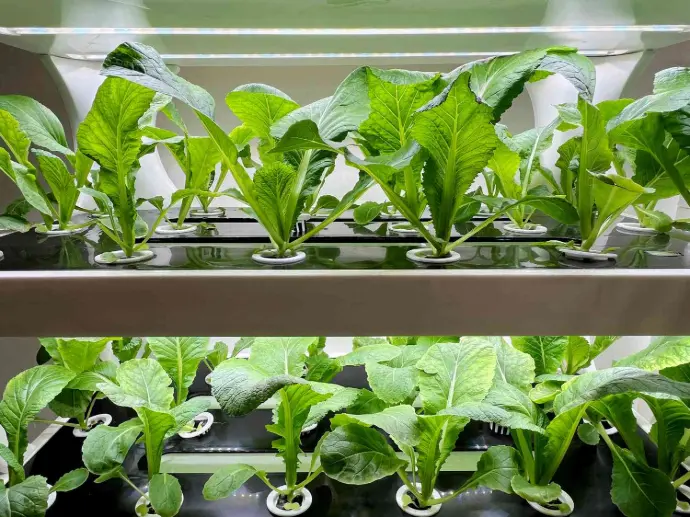
In response to these increasing climate challenges, hydroponics has emerged as a vital solution for U.S. agriculture. This soil-free cultivation method allows crops to grow in nutrient-rich water solutions, under controlled conditions that protect plants from extreme cold and unpredictable weather. By regulating temperature, humidity, light, and nutrient levels, hydroponic systems provide an environment where crops can thrive year-round, unaffected by harsh winters or sudden frost events.
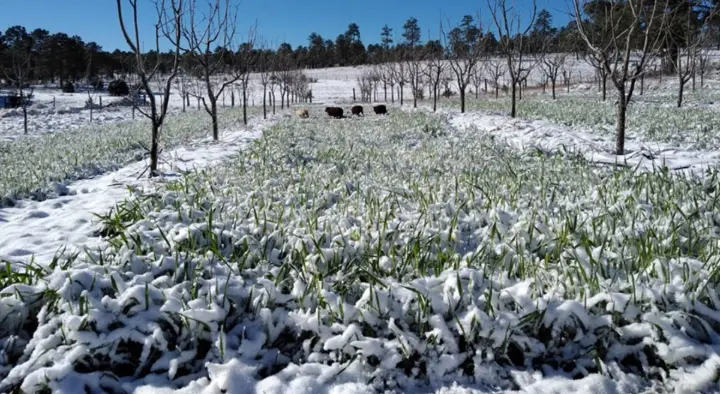
One of the key advantages of hydroponics is its ability to maintain consistent growth and yield even during the coldest months. Leafy greens, herbs, and high-value vegetables can be cultivated indoors in controlled environments, reducing reliance on traditional outdoor conditions and ensuring a steady supply of fresh produce. This is particularly important for regions that experience early frosts, extended snow cover, or unusually long winters, which can devastate conventional crops.
Hydroponic systems also improve resource efficiency. Water is recycled within the system, reducing waste and ensuring plants receive precisely the nutrients they need for optimal growth. This efficiency is crucial in areas where cold weather limits natural water availability or where frozen soils hinder irrigation. The controlled environment also minimizes exposure to pests and diseases, reducing the need for pesticides and enhancing crop health and quality.
Urban and peri-urban farms are increasingly adopting hydroponics to address food security and supply challenges during cold winters. By growing crops indoors, these farms can produce fresh, local vegetables year-round, reducing reliance on long-distance supply chains that are vulnerable to winter storms and transportation disruptions. The system’s adaptability allows farmers to respond quickly to market demand, providing consumers with high-quality produce regardless of external weather conditions.
Technological advancements have further enhanced the potential of hydroponics. Automated nutrient delivery, climate control systems, and real-time monitoring enable farmers to maintain precise conditions for optimal plant growth. Sensors track temperature, humidity, pH, and electrical conductivity, ensuring that crops receive the exact care needed for maximum yield and quality. These innovations not only protect crops from cold stress but also allow farmers to increase productivity, reduce waste, and optimize resource use.
Hydroponics also supports economic resilience for farmers. Traditional outdoor crops are increasingly vulnerable to weather extremes, market fluctuations, and supply chain disruptions. By diversifying with hydroponic cultivation, farmers can create additional revenue streams and reduce the risk associated with seasonal crop failures. High-value crops such as microgreens, spinach, arugula, and tomatoes can provide substantial returns, even when winter weather limits traditional field production.
Research institutions, universities, and agricultural organizations in the United States are actively promoting hydroponics as part of a broader strategy to adapt to changing climates. Educational programs and technical support help farmers implement systems efficiently, ensuring that hydroponic farming is accessible to both large commercial operations and smaller family farms. These initiatives are crucial for fostering innovation, improving crop resilience, and securing long-term sustainability in U.S. agriculture.
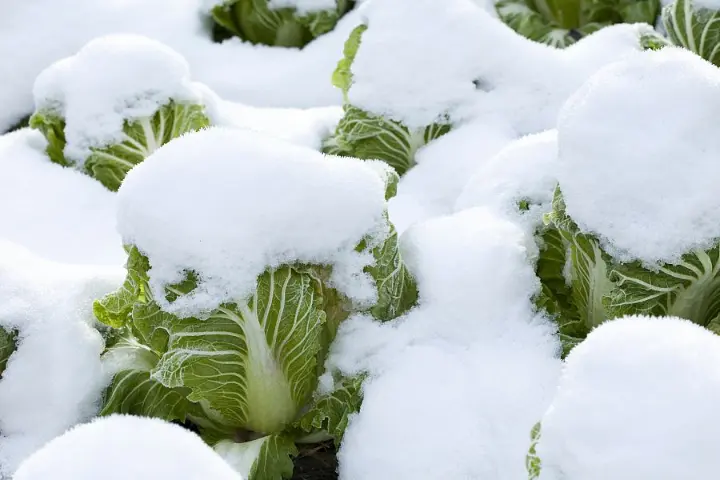
IThe rise of colder winters and unpredictable weather patterns highlights the urgent need for adaptive farming solutions. Hydroponics offers a viable pathway for farmers to maintain production, ensure food security, and meet consumer demand despite external climatic challenges. Its ability to control growing conditions, conserve resources, and reduce crop losses makes it an essential tool for modern agriculture in the United States.
In conclusion, colder winters and changing climate conditions are reshaping the agricultural landscape across the United States. Farmers face increasing risks from frost, extreme cold, and unpredictable precipitation, which threaten both crop quality and financial stability. Hydroponics provides a practical, innovative, and sustainable solution, allowing crops to grow in controlled environments protected from harsh weather. By integrating hydroponic systems with traditional agricultural practices, U.S. farmers can enhance resilience, productivity, and profitability, while ensuring a reliable supply of fresh, high-quality produce for consumers.
As the United States continues to confront the effects of climate change, hydroponics represents a forward-thinking approach to agriculture, combining technology, efficiency, and sustainability. The adoption of these systems promises to transform farming practices, mitigate risks associated with colder winters, and secure the future of food production across the country. Farmers who embrace hydroponics are not only adapting to a changing climate but also leading the way in innovation and modern agriculture.
With hydroponics, you can grow all year!
With Todo Hydro gardens, you can grow fresh, healthy crops all year, protected from weather, pests, and seasonal limitations.