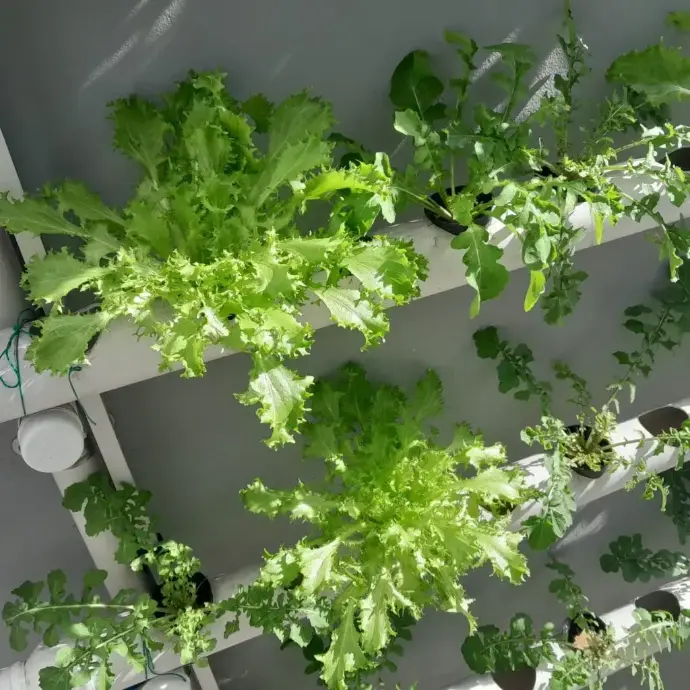
Innovative Cultivation Against Food Scarcity
Advanced growing systems help reduce food scarcity globally and in the United States by improving efficiency, resilience, year round production, and access.
Food scarcity is one of the most pressing challenges of our time, affecting millions worldwide and raising concerns about the resilience of food systems in the United States. As populations grow and environmental pressures intensify, innovative cultivation methods are emerging as a vital solution. These approaches are redefining how food is produced, distributed, and consumed, offering hope for a future where access to nutritious food is more reliable and equitable.
At the global level, traditional agriculture faces limitations related to land availability, climate change, and resource depletion. Innovative growing systems address these issues by maximizing productivity in smaller spaces and reducing dependence on fertile soil. By controlling growing conditions, producers can achieve consistent yields regardless of external climate factors. This reliability is essential for regions vulnerable to extreme weather, helping stabilize food supplies and reduce the risk of shortages.
In the United States, these cultivation methods play a crucial role in strengthening national food security. By decentralizing production and bringing food closer to consumers, the country reduces its reliance on long distance transportation and imports. This localized approach enhances resilience during disruptions such as natural disasters or supply chain interruptions, ensuring that communities maintain access to fresh produce when it matters most.
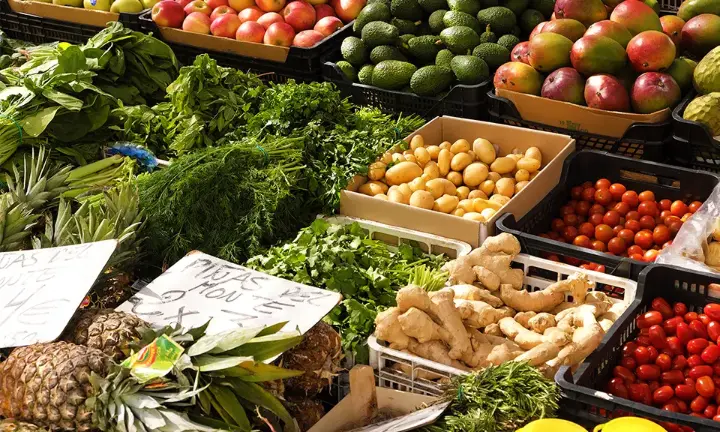
Efficiency is a defining advantage of modern cultivation. These systems often use significantly less water and nutrients than conventional farming while producing higher yields per square foot. This efficiency allows more food to be grown with fewer resources, a critical factor in addressing scarcity both domestically and globally. As resource pressures intensify, such systems demonstrate how smart cultivation can align productivity with sustainability.
Another important contribution lies in year round production. Seasonal limitations have long constrained food availability, leading to fluctuations in supply and price. Controlled growing environments eliminate these constraints, providing continuous harvests throughout the year. This consistency supports stable food supplies, improves affordability, and reduces waste caused by overproduction or spoilage.
Social impact is also central to this solution. Innovative cultivation projects are increasingly integrated into communities, schools, and urban neighborhoods. These initiatives promote education, awareness, and access to fresh food in areas historically affected by food insecurity. By empowering communities to participate in food production, these systems foster self reliance and strengthen local food networks.
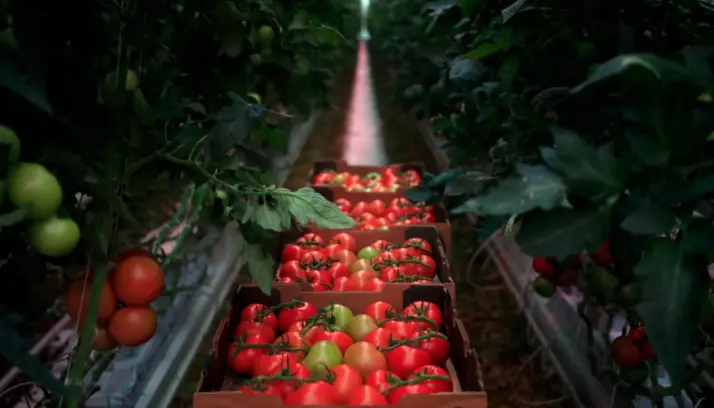
On a global scale, the transfer of knowledge and technology related to modern cultivation can support developing regions facing acute food shortages. Scalable systems can be adapted to diverse environments, offering practical solutions where traditional agriculture struggles. Collaboration between countries, institutions, and organizations amplifies this impact, positioning cultivation innovation as a cornerstone of global food strategies.
In facing the challenge of food scarcity, innovation is not optional, it is essential. By embracing advanced cultivation methods, the United States and the world can move toward a more secure and sustainable food future. These systems represent more than technological progress, they embody a commitment to feeding people responsibly, protecting resources, and ensuring that future generations have access to the nourishment they need.
BE A PROTAGONIST