Safe Home Growing Over Risky Agriculture
Recent biosecurity concerns highlight how home hydroponic growing offers safe, controlled, responsible food production without agricultural contamination risks.
Recent events in the United States have placed agriculture, biosecurity, and food safety under an intense spotlight. Two researchers with academic backgrounds linked to plant biology were arrested for allegedly bringing unauthorized samples of a dangerous plant pathogenic fungus into the country. According to federal authorities, the case represents a serious breach of agricultural security protocols. The arrest was announced by the Federal Bureau of Investigation, and publicly supported by the administration of President Donald Trump as part of a broader effort to prevent potential acts of agroterrorism that could threaten national food systems.
The incident has raised widespread concern across scientific, agricultural, and public sectors. Plant pathogens may not capture public attention in the same way as human diseases, yet their impact can be devastating. A single aggressive fungus introduced into open fields can spread rapidly, destroy crops, disrupt supply chains, and cause massive economic losses. In a country with one of the most complex and productive agricultural systems in the world, protecting crops is directly linked to national security, food availability, and economic stability.
Authorities emphasized that strict regulations exist precisely to prevent these risks. Agricultural research in the United States is governed by rigorous controls to ensure that dangerous organisms remain confined to approved laboratories. When those safeguards are bypassed, intentionally or not, the consequences can be severe. This case has reignited debate about the balance between scientific research and biosecurity responsibility, highlighting the need for transparency, oversight, and ethical conduct within the scientific community.
While this story may sound alarming, it also underscores an important reality, modern agriculture is evolving, and so are safer alternatives for food production. One of the most significant shifts taking place is the growing interest in home based cultivation systems, particularly methods that allow people to grow food without exposure to soil borne pathogens or uncontrolled external risks. For many households, producing food at home has become not just a lifestyle choice, but a way to remain independent from larger, more vulnerable systems.
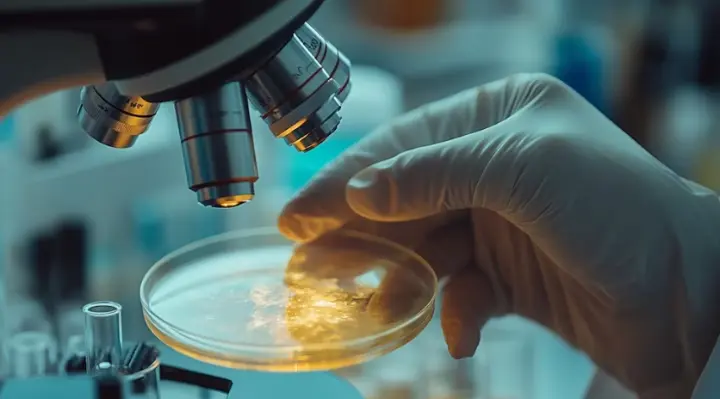
This is where hydroponic growing at home stands out as a secure and responsible solution. Unlike open field agriculture, hydroponic systems operate in controlled environments where water, nutrients, and plant health are carefully managed. There is no soil, no exposure to external contaminants, and no need to introduce unknown biological materials. Everything is clean, monitored, and designed to prioritize plant safety and food quality.
Home cultivation empowers individuals to focus on freshness, transparency, and trust. When people grow their own leafy greens, herbs, or vegetables, they know exactly where their food comes from and how it is produced. This level of control reduces reliance on complex supply chains and minimizes exposure to risks associated with large scale production. In a world where concerns about contamination and bio threats are increasing, this sense of control provides peace of mind.
Another advantage of home hydroponic systems is their educational value. Families, students, and communities learn about plant growth, nutrition, and sustainability in a hands on and safe way. Instead of interacting with potentially hazardous organisms, home growers work with clean water, balanced nutrients, and carefully selected seeds. This approach encourages responsible cultivation practices and builds awareness of why biosecurity matters.
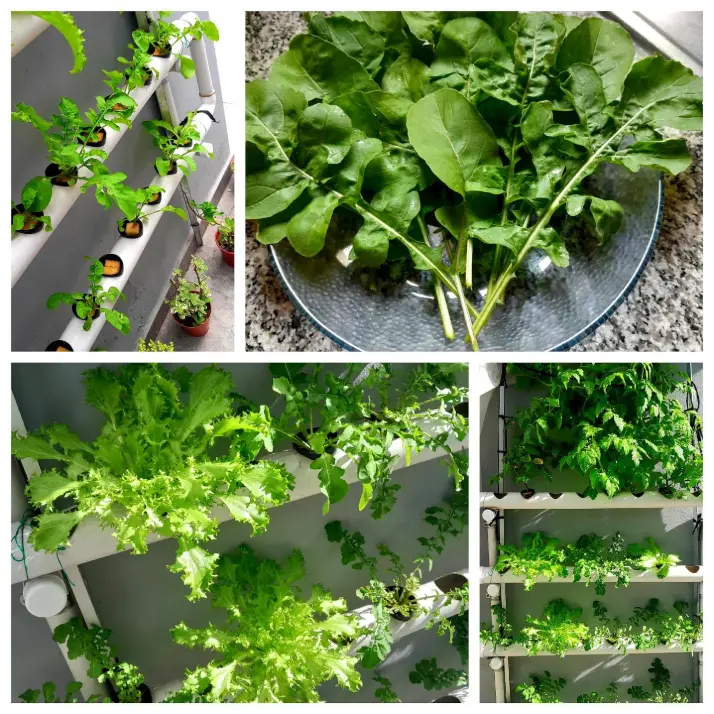
The broader message emerging from this case is not fear, but awareness. Protecting agriculture requires cooperation between governments, scientists, producers, and citizens. Large scale farming must continue to improve security measures, while individuals can contribute by embracing safe, localized food production. Home hydroponic cultivation aligns perfectly with this vision, reducing pressure on industrial systems while promoting resilience at the household level.
As authorities continue to investigate and reinforce safeguards against agroterrorism, the role of decentralized food production becomes increasingly relevant. Growing food at home does not replace traditional agriculture, but it complements it, creating a more diverse and resilient food ecosystem. Each home garden represents one less point of vulnerability and one more step toward food independence.
In the end, this event serves as a reminder that agriculture is not only about productivity, it is about responsibility. Choosing safe cultivation methods, respecting regulations, and supporting transparent food systems benefits everyone. Home hydroponic growing offers a positive response to global uncertainties, allowing people to focus on what truly matters, healthy food, safe practices, and confidence in what we grow and eat.
With hydroponics, you do not have to worry about what you eat!