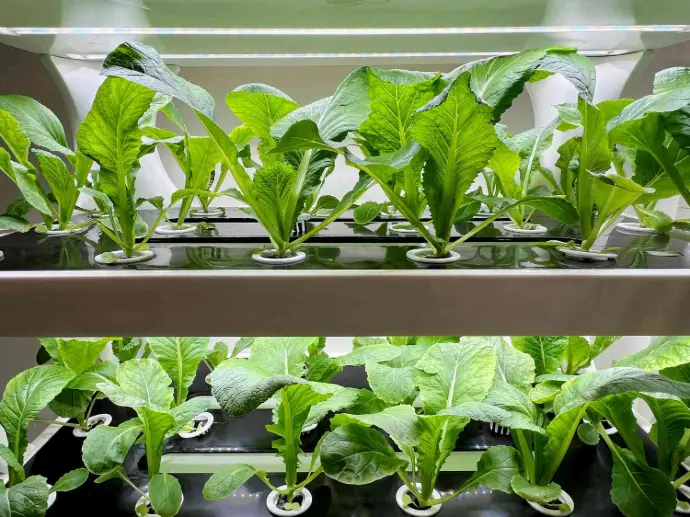
Harmful Plants and Pest Pressure in Hydroponics
Hydroponic farms still face pests and harmful plants, requiring strong management, biological controls and selective insecticides to maintain safe, productive crops
Hydroponics is often praised for its efficiency, cleanliness and control, yet no agricultural system is completely free from biological threats. While soil borne weeds, insects and pathogens are reduced significantly in hydroponic operations, growers in the United States continue facing considerable challenges related to harmful plants, pests, and disease vectors that adapt to indoor environments. As the hydroponic industry expands rapidly across the country, the issue of pest resistance and biological pressure is drawing more attention than ever. In this evolving landscape, the responsible use of insecticides, biological controls and integrated pest management strategies becomes essential.
Although hydroponic systems eliminate most traditional weeds, harmful plants can still enter the greenhouse through contaminated seeds, irrigation water or air flow. These invasive species, even when small in number, can compete with crops for light and space, and they often serve as hosts for viral diseases carried by insects. In many modern hydroponic greenhouses, tiny weed seedlings like chickweed or purslane are capable of establishing themselves in corners, gutters or substrate surfaces, especially when humidity is high. Their presence may seem insignificant, but they can attract pests such as aphids and whiteflies, organisms that thrive in warm, humid and nutrient rich environments typical of U.S. indoor farms.
The pest problem extends beyond weeds. Indoor hydroponic farms frequently report infestations of thrips, spider mites, fungus gnats, aphids and whiteflies, all of which have adapted aggressively to controlled environments. These pests reproduce quickly, survive well without soil and can spread viruses that severely affect crop productivity. In some hydroponic leafy green and tomato operations, thrips have become one of the most persistent pests, capable of hiding in small crevices and surviving common control methods. Spider mites, driven by warm temperatures and low humidity, also proliferate rapidly, especially in LED lit production systems where heat is concentrated on the plant canopy.
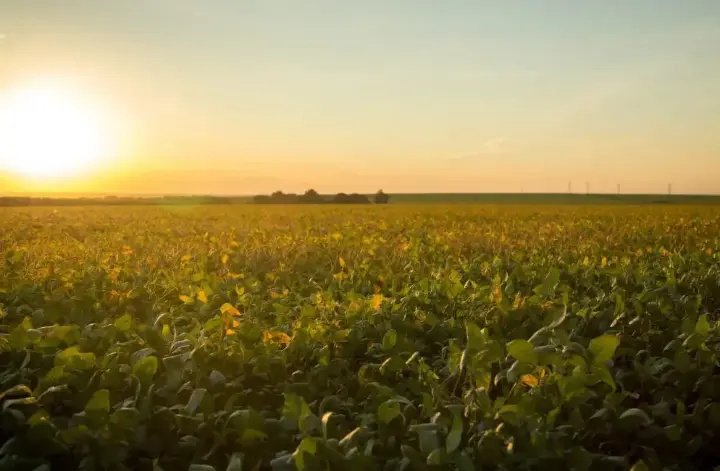
The rising issue of insect resistance adds another layer of complexity. Across the United States, growers have observed that certain pest populations no longer respond effectively to traditional insecticides. This trend is similar to what has happened in outdoor agriculture, and it now reaches indoor hydroponic production as well. Reduced efficacy means growers must apply products more frequently or combine multiple active ingredients, increasing costs and environmental impact. As a result, the shift toward integrated pest management, known as IPM, has become essential for sustainable hydroponic farming.
IPM integrates biological controls, monitoring techniques and selective chemical applications to maintain pest populations below damaging thresholds. In hydroponics, beneficial insects such as lady beetles, predatory mites and parasitic wasps are frequently introduced to control harmful pests without relying solely on insecticides. These biological agents are compatible with the clean, controlled environments typical of indoor farms and can be highly effective when released at the right time. For example, predatory mites are commonly used to suppress spider mite infestations in U.S. tomato greenhouses, while Encarsia formosa, a parasitic wasp, remains a popular choice for controlling whiteflies.
Nonetheless, insecticides maintain an important role, especially when pest populations exceed biological control capacity. Modern hydroponic operations in the United States rely heavily on selective insecticides, designed to target specific pests while preserving beneficial insects. Many of these products have low residual toxicity and break down quickly, making them safer for indoor use. Growers must follow strict rotation schedules to prevent resistance buildup, carefully selecting active ingredients based on their mode of action. The use of monitoring tools such as sticky traps, visual scouting and digital sensors helps determine the ideal timing for insecticide applications, allowing growers to minimize chemical use while maximizing impact.
Beyond insects, harmful plants and pathogens can spread when sanitation is not strictly maintained. Tools, clothing, trays and even airflow systems can carry spores and larvae that establish themselves inside hydroponic facilities. For this reason, many U.S. growers implement hygiene protocols that include regular cleaning of channels, slope gutters, reservoirs and fertigation lines. UV sterilization, hydrogen peroxide treatments and filtration systems are widely used to maintain pathogen free irrigation water, reducing the risk of root diseases like Pythium and Fusarium.
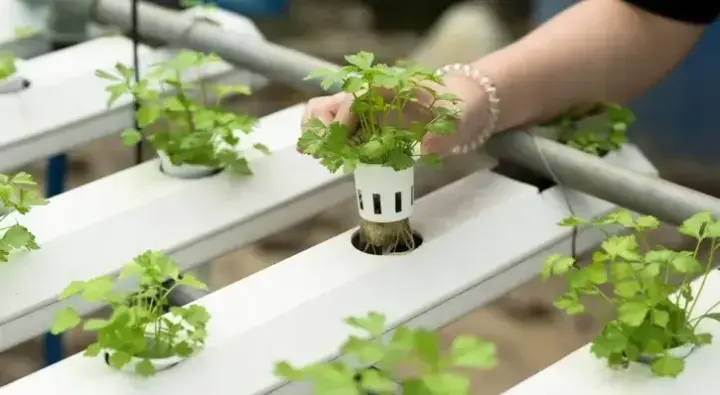
Education is also crucial in managing harmful plants and pests. As hydroponics grows in popularity, new growers often underestimate the importance of early detection and sanitation. Industry experts highlight the need for training in scouting methods, nutrient management and climate regulation since all of these factors influence pest behavior. For example, high nitrogen levels can increase susceptibility to aphids, while improper humidity levels favor fungal outbreaks. By understanding how environmental conditions affect pest lifecycles, growers can design prevention strategies that keep production efficient and safe.
The future of pest control in hydroponics will likely involve increased use of biotechnology, automation and AI monitoring systems. Early prototypes of smart greenhouse sensors capable of detecting pest movement or changes in leaf reflectance are already in development. These tools could eventually replace manual scouting and allow growers to apply insecticides and biological controls with unmatched precision. At the same time, research on natural plant extracts, microbial insecticides and RNA based pest control methods continues to expand, offering new solutions that combine efficacy with environmental responsibility.
Despite the challenges, hydroponics remains one of the cleanest and safest forms of food production in the United States. With proper management, harmful plants and insects can be controlled effectively, preserving plant health, yield and quality. As technology continues to evolve and growers embrace more integrated strategies, the hydroponic industry will strengthen its ability to respond to pest pressures without compromising sustainability. The combination of biological agents, selective insecticides, precision monitoring and strict sanitation gives U.S. hydroponic farms a powerful toolkit to protect their crops and maintain consistent production.
The growing awareness of these issues is not a sign of weakness but a testament to the maturity of the hydroponic industry. As more producers recognize the importance of pest management and harmful plant control, the sector becomes more resilient and better prepared for the future. Ultimately, innovation in this area will play a decisive role in shaping the next chapter of controlled environment agriculture in the United States.
Insecticides
When you need to treat your crop, find and buy the ones you need.