Growing Methods Power the US Economy
Modern cultivation systems boost jobs, local businesses, innovation, and investment, strengthening the United States economy through sustainable and technology driven food production.
The evolution of cultivation methods is doing far more than changing how food is grown, it is actively reshaping the economic landscape of the United States. As new growing systems gain momentum, they are creating jobs, stimulating local economies, and opening doors for innovation across urban and rural communities. This transformation highlights how agriculture, when paired with modern technology, can become a powerful engine for inclusive economic growth.
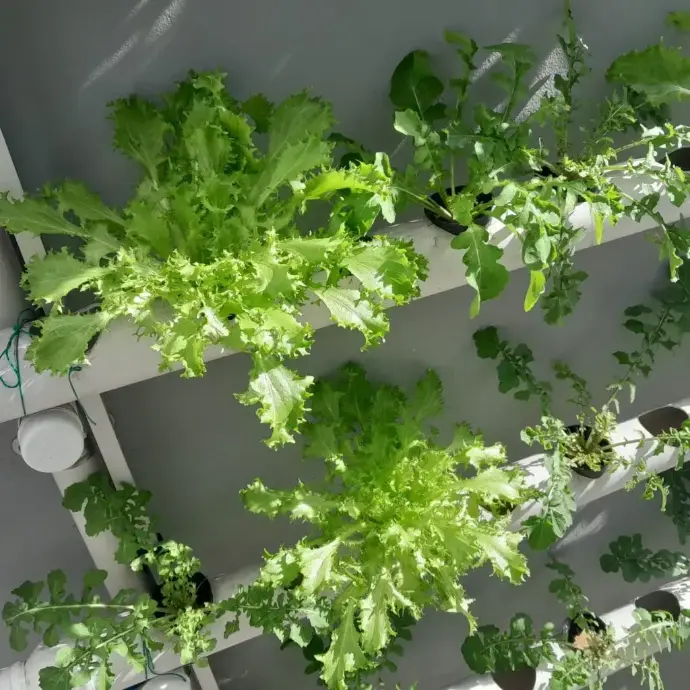
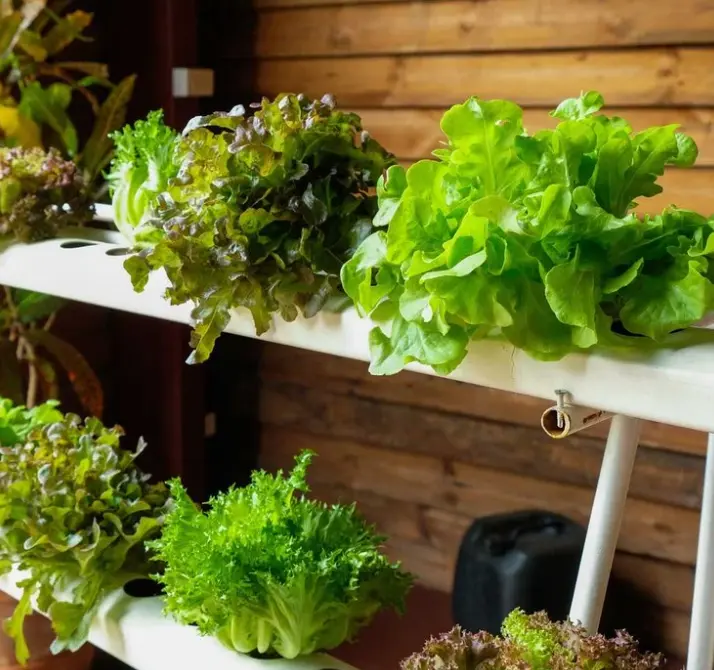
One of the most notable economic impacts comes from the diversification of cultivation opportunities. Modern systems allow food to be grown in places once considered unsuitable for agriculture. Warehouses, city buildings, and small plots of land are now productive assets. This shift lowers entry barriers for entrepreneurs, enabling individuals and families to start growing operations without the need for vast farmland. As a result, more people are participating in food production, strengthening local economic networks and keeping value within communities.
Job creation is another critical factor. These advanced growing systems require a wide range of skills, from plant management and system maintenance to data analysis and logistics. This demand generates employment not only for growers but also for engineers, technicians, researchers, and software specialists. In many regions, cultivation projects are revitalizing local labor markets, offering stable employment opportunities and fostering workforce development aligned with future technologies.

Small businesses benefit significantly from this shift. Restaurants, retailers, and local markets gain access to consistent supplies of fresh produce grown nearby. This reliability reduces costs associated with transportation and storage while improving product quality. The ripple effect strengthens surrounding businesses, encourages collaboration, and builds resilient local economies less dependent on distant supply chains.
Investment trends further underscore the economic potential of modern cultivation. Venture capital, government grants, and private funding are flowing into agricultural innovation at unprecedented levels. These investments support research, infrastructure, and scaling efforts, accelerating growth across the sector. In turn, this capital infusion stimulates regional development, particularly in areas seeking economic revitalization through sustainable industries.
Another important aspect is the role of education and training. As cultivation methods evolve, educational institutions are developing programs that prepare students for careers in modern agriculture. These initiatives equip individuals with practical skills and technical knowledge, increasing employability and supporting long term economic stability. Communities that embrace training and innovation are better positioned to thrive in an economy increasingly shaped by technology driven agriculture.
The economic benefits also extend to public finances. Increased agricultural productivity and business activity contribute to tax revenues, which can be reinvested in infrastructure, education, and community services. This creates a positive feedback loop where growth in cultivation supports broader social and economic goals.
Ultimately, the rise of modern cultivation methods demonstrates how agriculture can adapt to contemporary challenges while fueling prosperity. By integrating innovation with tradition, the United States is unlocking new economic pathways that empower communities, encourage entrepreneurship, and build a more robust and adaptable economy rooted in food production.
You can also generate extra income!
With Todo Hidro home gardens, grow fresh food year round, save water, optimize space, and enjoy sustainable harvests at home.