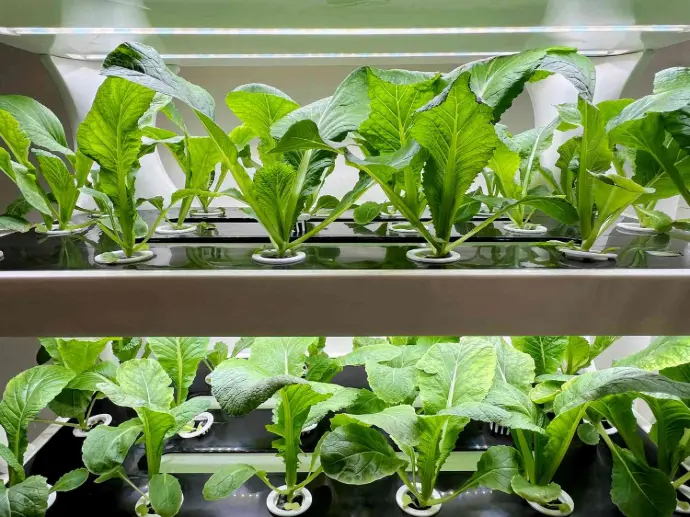
Sustainable Farming: The Hydroponic Revolution
Sustainable farming practices and hydroponics are transforming agriculture in the U.S., boosting productivity and protecting the environment.
Sustainable Agriculture is rapidly becoming one of the most important topics in the United States, as farmers, researchers, and policymakers face the dual challenge of increasing food production while protecting natural resources. Climate change, population growth, and pressure on land and water are forcing the agricultural sector to rethink traditional practices. Modern techniques are no longer optional, they are essential for ensuring long term productivity, environmental health, and food security. Across the country, innovation is reshaping how crops are grown, harvested, and delivered to consumers.
One of the central pillars of sustainable agriculture is resource efficiency, particularly when it comes to water and soil management. Conventional farming methods often rely on intensive irrigation and chemical inputs that degrade soil quality over time. In contrast, modern approaches focus on improving soil health through crop rotation, organic amendments, and precision farming technologies. These practices help farmers use fewer inputs while achieving higher yields, reducing costs and minimizing environmental impact at the same time.
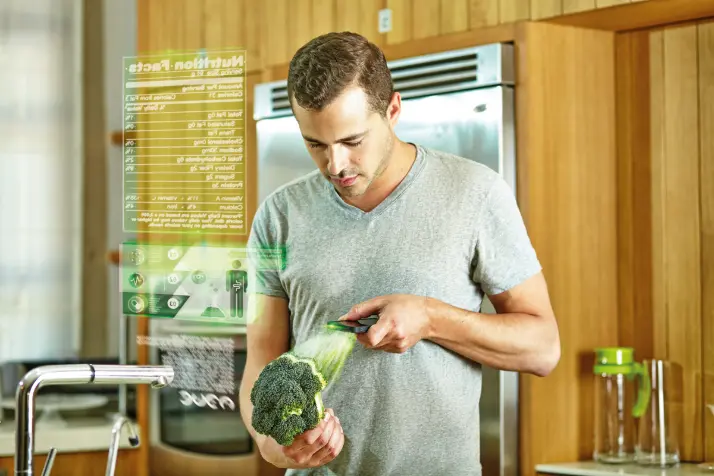
Technology plays a crucial role in this transformation. Data driven agriculture, powered by sensors, satellite imagery, and artificial intelligence, allows farmers to monitor crops in real time. These tools provide insights into moisture levels, nutrient availability, and pest risks, enabling precise interventions exactly when and where they are needed. In the United States, adoption of smart farming technologies has increased significantly, especially among medium and large scale producers seeking to remain competitive in a volatile market.
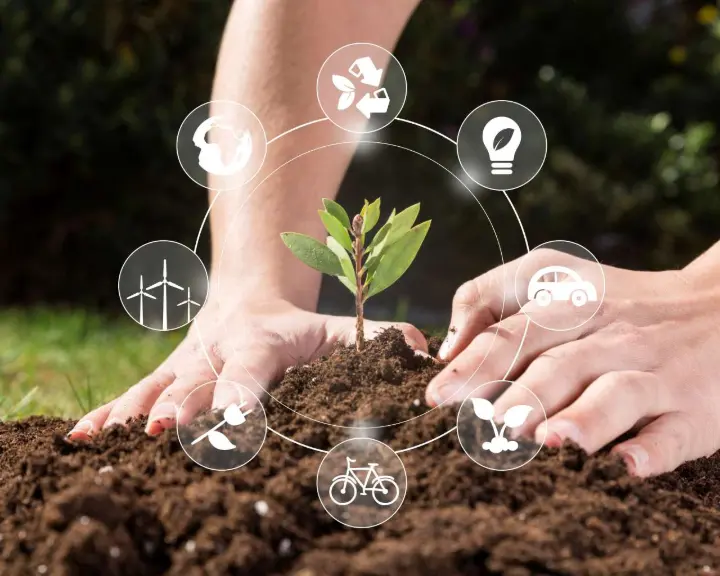
Another key factor driving sustainable agriculture is consumer demand. American consumers are increasingly aware of how their food is produced, showing strong interest in environmentally responsible practices. Labels highlighting sustainability, reduced chemical use, and local production influence purchasing decisions. This shift in consumer behavior is encouraging farmers and food companies to invest in greener systems, knowing that sustainability can also be a strong market advantage.
A standout innovation within this movement is hydroponics, a soil free cultivation method that is gaining remarkable traction in the United States. Hydroponic systems allow plants to grow using nutrient rich water solutions, significantly reducing water usage compared to traditional farming. These systems can be installed in urban environments, warehouses, and greenhouses, making local food production possible even in areas with limited arable land. Hydroponics offers higher yields, faster growth cycles, and greater control over plant health, positioning it as a key solution for sustainable food production.
The rise of hydroponics in the United States is closely linked to urbanization and supply chain challenges. Cities like New York, Chicago, and Los Angeles are seeing increased investment in vertical farms and controlled environment agriculture. These facilities reduce transportation distances, lower carbon emissions, and provide fresh produce year round. As climate related disruptions impact traditional farms, hydroponic systems offer resilience and consistency, making them attractive to investors and policymakers alike.
Beyond hydroponics, regenerative agriculture is also shaping the future of farming. Practices such as cover cropping, reduced tillage, and integrated livestock systems aim to restore ecosystems rather than simply extract resources. Regenerative methods improve biodiversity, capture carbon in the soil, and enhance long term productivity, aligning environmental goals with economic viability. In many US states, pilot programs and incentives are supporting farmers who adopt these practices.
Government policy and private investment are accelerating this shift. Federal and state level initiatives provide funding for sustainable research, infrastructure upgrades, and education. At the same time, venture capital is flowing into agri technology startups focused on climate smart solutions. The collaboration between public institutions and private innovators is creating an ecosystem where sustainable agriculture can scale faster and reach more producers nationwide.
Looking ahead, the future of agriculture in the United States will depend on continued innovation and collaboration. Sustainable techniques are proving that productivity and environmental responsibility can coexist. From precision farming to hydroponics and regenerative systems, modern agriculture is redefining what it means to grow food in the twenty first century. As these methods become more widespread, they promise not only to transform farms, but also to strengthen communities, protect ecosystems, and secure a more resilient food system for generations to come.
The Revolution in Your Home!