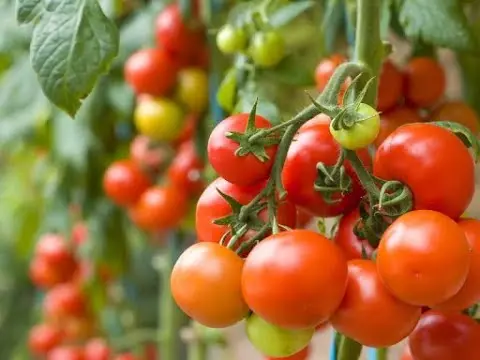
Storms Threaten U.S. Crops
Severe storms and heavy rainfall damage U.S. crops, while hydroponics ensures stable, high-quality production, protecting farmers from unpredictable weather.
In recent years, severe storms and heavy rainfall have become an increasingly common phenomenon across many regions of the United States, disrupting traditional farming practices and threatening crop yields. From the Midwest to the Southeast, farmers are reporting more frequent and intense storms that not only damage fields but also compromise long-term soil health and production stability. Experts warn that the combination of natural climate variability and global climate change is intensifying these weather events, posing a growing risk to one of the country’s most important economic sectors.
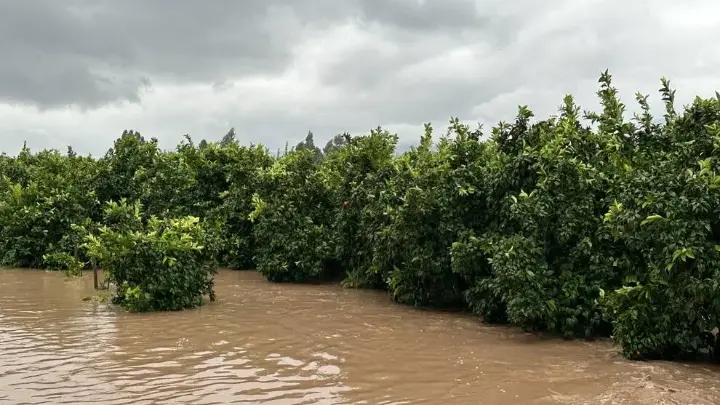
Across states like Iowa, Illinois, Nebraska, Missouri, and parts of the Southeast including Georgia and Florida, farmers are experiencing record levels of rainfall, often accompanied by strong winds, hail, and flash flooding. These events not only destroy crops but also erode topsoil, reduce soil fertility, and create challenges in planting and harvesting schedules. Many agricultural operations report financial losses and difficulty recovering between consecutive storms, which increasingly impact corn, soybeans, wheat, vegetables, and fruit orchards.
Excessive rainfall affects crops in multiple ways. Waterlogged soils limit oxygen to plant roots, hindering growth and reducing yield potential. Additionally, the high moisture environment favors the proliferation of fungal diseases and pests, increasing the need for chemical treatments and raising production costs. Crop damage from flooding and erosion can be so severe that it wipes out entire harvests, leaving farmers struggling to meet both domestic and international demand. This growing unpredictability in weather patterns highlights the urgent need for adaptive farming methods and alternative cultivation systems.
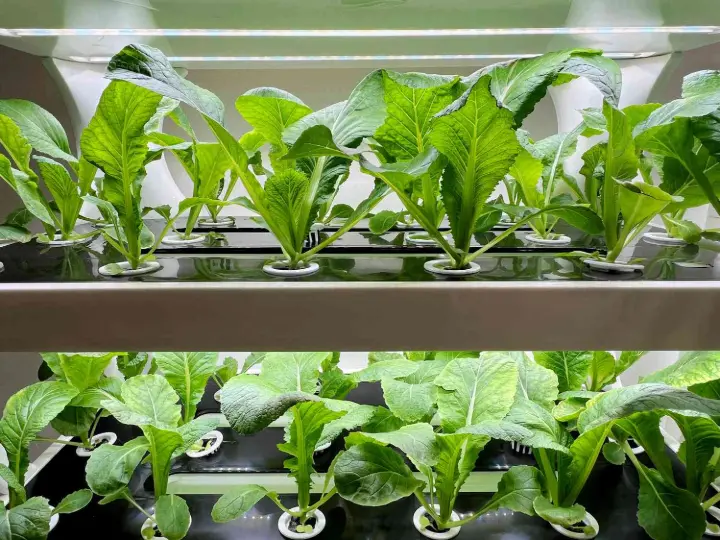
Hydroponics has emerged as a promising solution to address these challenges. This soil-free cultivation method uses nutrient-rich water solutions to grow plants, allowing farmers to control environmental factors such as temperature, humidity, and light. In controlled hydroponic systems, crops are protected from the damaging effects of heavy rainfall, flooding, and storms, ensuring stable growth and higher-quality yields. For crops such as leafy greens, tomatoes, peppers, and other high-value produce, hydroponics offers a reliable alternative to traditional soil-based farming.
The adoption of hydroponics also allows for more efficient use of resources, particularly water. Unlike traditional farming, which can lose water due to runoff or evaporation, hydroponic systems recycle water and nutrients, reducing waste while ensuring optimal plant nutrition. This feature is particularly valuable in regions where rainfall is highly variable, providing a consistent environment for crop growth regardless of outdoor conditions.
Moreover, hydroponic systems help reduce the incidence of pests and diseases. Flooding and excessive soil moisture often exacerbate infestations in traditional fields, while controlled indoor environments limit exposure to pathogens and reduce reliance on pesticides. This not only decreases costs for farmers but also supports the production of healthier, higher-quality food, a growing demand among consumers in the United States and abroad.
Technological innovation is at the core of modern hydroponics. Advanced sensors, automated nutrient delivery, and climate control systems allow farmers to monitor plant growth in real-time and make adjustments as needed. These tools increase efficiency, reduce waste, and help predict potential issues before they affect the crop. Farmers using hydroponics can produce multiple harvests per year, maintaining consistent supply and meeting market demand even when traditional fields are impacted by extreme weather events.
Despite its advantages, experts emphasize that hydroponics is not a replacement for conventional agriculture but rather a complementary strategy. Farmers who integrate hydroponics into their operations can diversify production, stabilize income, and reduce the impact of unpredictable weather. Small-scale producers and urban farmers in particular benefit from hydroponic systems, which require less space and allow for year-round cultivation even in areas where outdoor conditions are unfavorable.
The increasing frequency of storms, heavy rainfall, and flooding events in the U.S. highlights the urgent need for agricultural adaptation. Climate models predict that these extreme weather events will continue and may become more intense, making resilience strategies essential. Hydroponics represents a forward-thinking approach, combining science, technology, and resource efficiency to provide solutions for a changing climate. Its ability to maintain production under adverse conditions is a significant advantage for farmers facing a future of unpredictable weather.
Additionally, hydroponics supports food security and sustainability. By producing high-quality crops in controlled environments, communities can reduce their reliance on long supply chains that are vulnerable to disruption from storms and floods. Urban and peri-urban hydroponic farms can supply local markets with fresh produce, minimizing transportation costs and carbon footprint while ensuring consistent access to nutritious foods. This becomes increasingly important as severe weather events continue to impact rural agricultural regions.
Farmers who have adopted hydroponic methods report higher productivity, reduced crop losses, and more predictable revenue streams. These benefits make hydroponics an attractive option for both large commercial farms and small-scale producers seeking to mitigate risks associated with extreme weather. Governments and private organizations are increasingly supporting the transition through funding, training programs, and technology adoption initiatives, further encouraging the spread of hydroponic farming across the country.
In conclusion, the rise of heavy storms and extreme rainfall across the United States is reshaping the agricultural landscape. Traditional farming faces increasing challenges, including crop losses, soil degradation, and pest outbreaks, highlighting the vulnerability of conventional methods to unpredictable weather. Hydroponics emerges as a practical, efficient, and sustainable solution, offering controlled growth conditions, resource efficiency, and protection against climatic extremes. As extreme weather becomes the new normal, hydroponics provides a pathway for farmers to secure stable production, enhance food quality, and strengthen the resilience of U.S. agriculture in the face of ongoing climatic uncertainty.
The future of farming in the United States will likely depend on a combination of innovation, technology, and traditional expertise. Hydroponics exemplifies how modern agriculture can adapt to climate challenges, ensuring reliable production while protecting natural resources. By integrating hydroponics with conventional cultivation methods, American farmers can continue to meet domestic and international demand, navigate a changing climate, and maintain food security for the nation.
Rain? Don’t worry!
The Grow Pot is your ally for growing fruits without worrying about the weather!