Silicon Boosts Growth
Silicon strengthens hydroponic plants, improves nutrient uptake, increases stress resistance, supports healthier stems and leaves, enhancing yield and overall productivity.
In the world of modern agriculture, silicon has become an increasingly important element for growers looking to improve plant health and productivity. Particularly in the United States, where hydroponic systems are expanding rapidly, the use of silicon in cultivation is gaining attention for its many benefits. From home gardeners to large commercial operations, growers are discovering that silicon can play a critical role in enhancing plant growth, increasing resistance to stress, and improving overall crop quality.
Silicon is a naturally occurring element found in soil, water, and many types of plants. While it is not classified as an essential nutrient for all plants, research has shown that it provides significant advantages in plant development. In hydroponic systems, where plants grow in nutrient solutions rather than soil, the addition of silicon can be especially valuable because it strengthens plant tissues and supports overall health. Many news outlets and agricultural publications in the United States are highlighting studies and success stories that demonstrate how silicon contributes to higher yields and healthier crops.
One of the primary benefits of silicon in hydroponic cultivation is its ability to improve plant resistance to both biotic and abiotic stress. Biotic stress includes attacks from insects, fungi, and bacteria, while abiotic stress involves environmental factors such as drought, temperature extremes, and nutrient deficiencies. By accumulating in plant cell walls, silicon creates a physical barrier that helps prevent damage from pests and diseases, and it also enhances the plant's natural defense mechanisms. In news reports and scientific articles, researchers note that crops treated with silicon are often stronger, more resilient, and better able to withstand challenging conditions.
In hydroponic systems, where precision and control are critical, silicon is increasingly incorporated into nutrient solutions. This approach allows growers to provide plants with consistent and effective amounts of silicon, supporting stronger stems, improved root development, and enhanced leaf structure. Hydroponic gardens in the United States, whether for vegetables, herbs, or cannabis, are benefiting from these innovations. Growers report that plants supplemented with silicon show faster growth, more robust foliage, and greater tolerance to stress, which can lead to higher overall productivity.
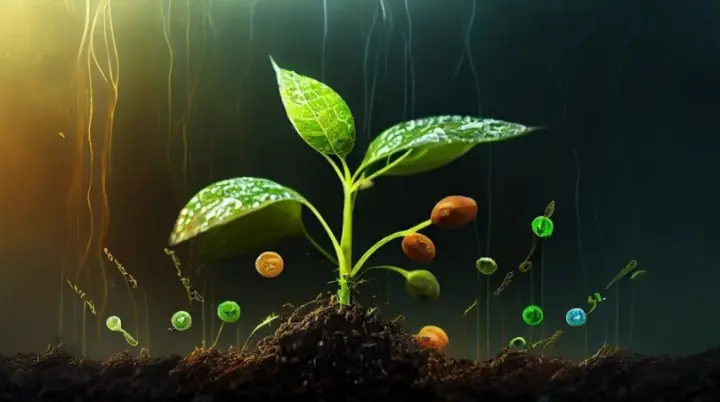
Beyond its protective properties, silicon also plays a role in enhancing photosynthesis and nutrient uptake. When plants have sufficient silicon, they are often able to use water and other nutrients more efficiently. This is particularly important in hydroponics, where nutrient balance and water management are crucial for healthy plant development. By improving nutrient uptake, silicon contributes to stronger growth, better fruit quality, and increased resistance to environmental fluctuations. For hydroponic growers in the United States, this translates into more reliable harvests and higher-quality produce.
The use of silicon in cannabis cultivation has gained significant attention in the United States. Cannabis growers, both medicinal and recreational, are exploring how silicon can improve plant structure, increase resistance to mold and pests, and enhance overall yield. In indoor and greenhouse settings, where plants may be exposed to high humidity or variable environmental conditions, silicon provides a natural solution to many common challenges. News stories and research papers highlight that cannabis plants supplemented with silicon often exhibit thicker stems, healthier leaves, and greater resilience against stressors that can reduce crop quality.
For hydroponic growers, incorporating silicon is relatively simple. Many commercial nutrient products include silicon supplements, or growers can add potassium silicate or other soluble forms directly to their nutrient solutions. Regular application ensures that plants receive a steady supply, supporting continuous growth and strength. Reports from hydroponic farms in California, Colorado, and other leading states emphasize that consistent silicon supplementation can make a significant difference in plant health, yield, and overall crop performance.
In addition to its benefits for plant growth and stress resistance, silicon also contributes to sustainable agriculture. By enhancing plant resilience, growers can reduce reliance on chemical pesticides and fertilizers, minimizing environmental impact. This aligns with the growing focus on eco-friendly practices in the United States, where both home growers and commercial operations seek ways to improve productivity while protecting natural resources. News coverage often highlights farms that combine hydroponics with silicon supplementation as examples of innovative and sustainable cultivation practices.
Scientific research continues to explore the mechanisms by which silicon benefits plants. Studies show that silicon not only strengthens cell walls but also interacts with plant hormones, influencing growth patterns, flowering, and fruit development. In hydroponic systems, where plants are highly controlled, these effects can be optimized to maximize yield and quality. Researchers in the United States are investigating how different concentrations of silicon affect various crops, including leafy greens, tomatoes, peppers, and cannabis, providing valuable guidance for growers seeking to improve their hydroponic systems.
The integration of silicon into hydroponic gardening is also influencing industry trends. Nutrient suppliers, hydroponic equipment manufacturers, and educational platforms are emphasizing the importance of silicon in modern cultivation. Workshops, online courses, and trade shows in the United States increasingly focus on teaching growers how to incorporate silicon effectively, highlighting its benefits for plant health, stress tolerance, and productivity. Media coverage reflects this trend, showcasing growers who achieve remarkable results through careful management of silicon in their hydroponic setups.
In commercial agriculture, silicon is becoming a key factor in competitive production. Hydroponic operations that integrate silicon report stronger plants, more uniform growth, and improved resistance to environmental fluctuations. This consistency is crucial for supplying supermarkets, restaurants, and medicinal dispensaries with high-quality produce. News stories emphasize that growers who adopt silicon supplementation are able to meet market demand while maintaining high standards of quality and sustainability.
For home gardeners in the United States, silicon offers a practical solution for improving plant health. Even small-scale hydroponic systems, such as grow tents or tabletop gardens, benefit from silicon supplements. By supporting stronger stems, healthier leaves, and more resilient roots, silicon helps ensure successful harvests and more vibrant, productive plants. News articles and gardening blogs frequently provide guidance on how to use silicon safely and effectively, demonstrating its growing popularity among hobbyists and enthusiasts.
In summary, silicon has become an essential tool for hydroponic growers in the United States. Its ability to strengthen plant tissues, enhance nutrient uptake, improve resistance to stress, and support sustainable cultivation makes it invaluable for modern agriculture. From cannabis cultivation to leafy greens, hydroponic gardens across the country are experiencing the benefits of silicon supplementation. News coverage, scientific research, and grower testimonials all highlight its positive impact on plant health and productivity.
As hydroponic systems continue to expand in popularity, silicon will likely remain a key focus for growers seeking healthier, stronger, and more resilient plants. Whether for commercial farms or home gardens, the strategic use of silicon demonstrates how modern agricultural practices can combine innovation, sustainability, and productivity. In the United States, this trend is reshaping hydroponic cultivation, ensuring that plants grow stronger, yields are higher, and the quality of produce continues to improve.
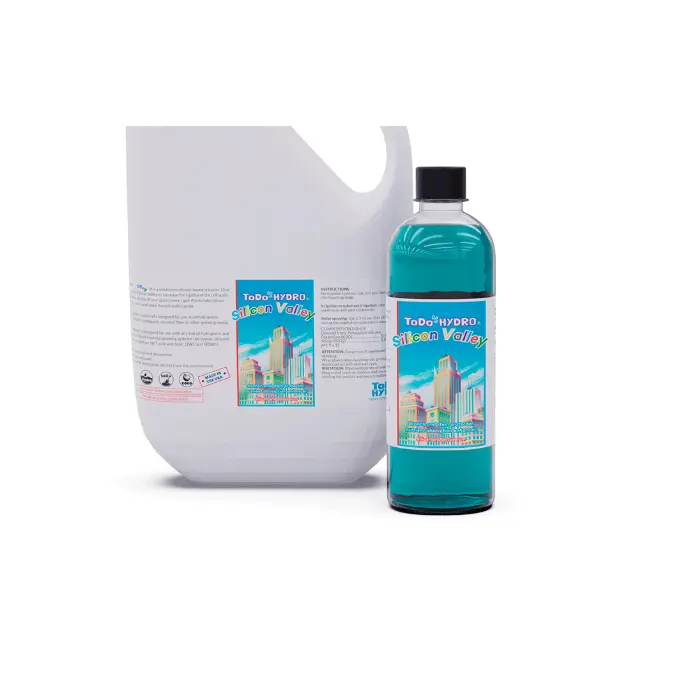
ToDo Hydro Silicon Valley
ToDo Hydro Silicon Valley is a potassium silicate-based solution formulated to strengthen plant cell walls, enhancing overall plant rigidity and resilience.