
Transforming Communities
Social agriculture and hydroponics are reshaping urban food production, tackling food insecurity, and empowering communities through sustainability and innovation.
In recent years, social agriculture has emerged as a powerful tool for transforming communities across the United States. By blending social impact with sustainable farming practices, this innovative approach is redefining how food is produced, distributed, and consumed, especially in urban and underserved areas. Social agriculture uses farming to promote social inclusion, economic development, and community engagement, while addressing pressing issues like food insecurity, environmental sustainability, and access to fresh produce.
One of the driving forces behind the rise of social agriculture in the U.S. is the increasing demand for local food production in urban environments. With over 80% of Americans living in cities, traditional farming methods often fail to meet the growing need for fresh food. As a result, many cities are turning to innovative farming solutions, such as community gardens, rooftop farms, and hydroponic systems, to grow food in urban areas. These initiatives help combat food deserts—areas lacking access to fresh, affordable food.
The beauty of social agriculture lies in its ability to create meaningful social change while solving food production challenges. Through urban farms and community gardens, residents are empowered to take control of their food systems, building stronger ties with each other and the environment. These projects often include educational programs aimed at teaching urban populations, especially in low-income areas, about sustainable farming practices and healthy eating. Social agriculture is not just about growing food—it's about building stronger, more resilient communities.
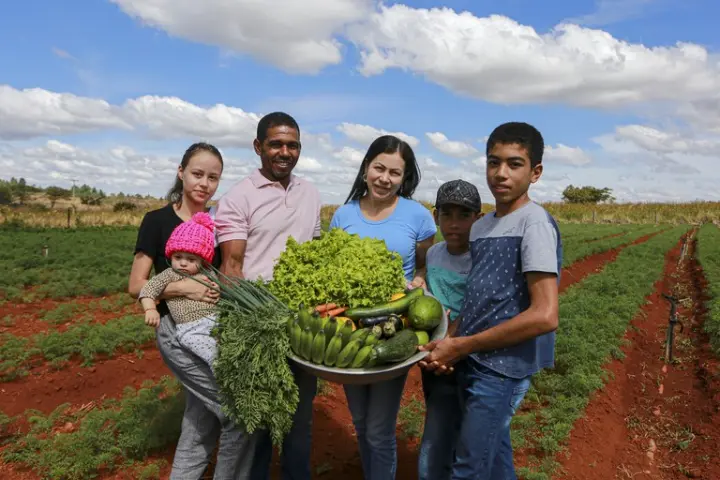
A standout element of social agriculture in the U.S. is the integration of hydroponic farming, which is increasingly used to tackle food insecurity and sustainability challenges in urban areas. Hydroponics allows plants to grow without soil, using nutrient-rich water to supply essential minerals and nutrients. This method has gained significant traction in cities like New York, Los Angeles, and Chicago, where space is limited and water conservation is a priority.
Hydroponics offers numerous advantages that make it ideal for social agriculture. First, it enables space-efficient farming, making it possible to grow crops indoors, on rooftops, or in vacant lots—places where traditional farming would not be feasible. With hydroponics, water usage is drastically reduced, as the system requires up to 90% less water compared to conventional farming methods. Moreover, hydroponic farms can produce fresh produce year-round, ensuring a consistent food supply even in harsh climates or urban areas with limited agricultural space.
The community impact of hydroponic farming cannot be understated. In urban areas, many residents face challenges accessing fresh produce, which can lead to food insecurity and poor health outcomes. By setting up hydroponic farms in these communities, cities are able to offer nutritious, local produce like leafy greens, herbs, and tomatoes, all while creating jobs and fostering entrepreneurship. These farms help combat food deserts and provide an affordable, local alternative to grocery store chains that may not offer healthy options.
In addition to food production, social agriculture often involves education and empowerment. Many urban farming projects offer workshops on sustainable farming, nutrition, and local food systems. By equipping residents with these skills, these initiatives open up employment opportunities in sustainable agriculture and related fields. They also teach valuable lessons in environmental stewardship, empowering individuals to make more sustainable choices in their everyday lives.
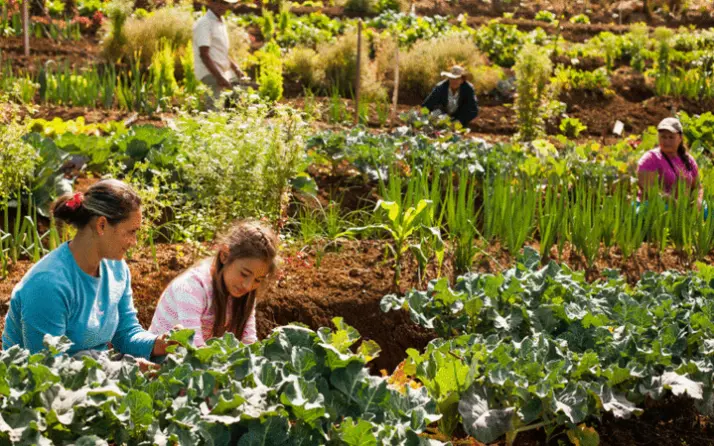
Government and nonprofit organizations have been instrumental in supporting social agriculture initiatives across the U.S. Federal programs like the U.S. Department of Agriculture's (USDA) Community Food Projects are providing funding and technical assistance for community-based agriculture projects. Many local governments are also investing in urban farms, community gardens, and educational programs to boost food security and improve overall well-being. The private sector has also stepped up, with investors funding agtech startups that focus on sustainable farming solutions for urban areas.
Despite its promise, social agriculture still faces some challenges. The initial costs of setting up hydroponic systems or urban farms can be high, particularly for communities with limited financial resources. However, as technology improves and costs decrease, urban farming will become more accessible to a broader range of communities. Additionally, policy support from local, state, and federal governments will be key to ensuring the long-term sustainability of these projects. Ensuring that social agriculture is scalable and affordable will require ongoing investment, education, and advocacy.
The correct cause