Hydroponics: America’s Farming Future
Sustainable agriculture and hydroponics are reshaping food production in the U.S., improving efficiency, reducing environmental impact, and ensuring food security.
As the world grapples with climate change, population growth, and shrinking natural resources, the United States is embracing innovative approaches to secure its food future. Sustainable agriculture is at the forefront of this movement, as it promises not only to boost food production but also to protect the environment. By incorporating modern farming techniques, including hydroponics, the U.S. is preparing itself to meet the growing demand for food while ensuring long-term food security and environmental sustainability.
One of the key challenges facing the agricultural sector is how to increase food production without depleting natural resources. Traditional farming methods often rely heavily on water, chemicals, and extensive land use, leading to soil degradation, water scarcity, and high carbon emissions. In response, sustainable farming practices are gaining ground, focusing on resource-efficient methods that reduce environmental impact while maintaining or increasing productivity. This shift not only benefits the environment but also ensures that food production can keep pace with the growing population.
Technology is driving much of this transformation. Precision agriculture, powered by data analytics, drones, and AI, allows farmers to monitor and manage crops more effectively than ever before. These tools provide real-time data on soil conditions, water usage, and crop health, enabling farmers to make smarter decisions. By applying resources only where and when they are needed, precision farming reduces waste, cuts costs, and increases crop yields, all while minimizing environmental harm. This technological revolution is helping American farmers stay competitive in an increasingly globalized market.
Another critical aspect of sustainable farming is the growing consumer demand for environmentally responsible food. Americans are increasingly concerned about where their food comes from and how it is produced. As a result, there is a rising interest in foods grown with fewer chemicals, less water, and reduced carbon footprints. This demand is pushing food producers to adopt more sustainable methods, knowing that consumers are willing to support companies that prioritize environmental responsibility.
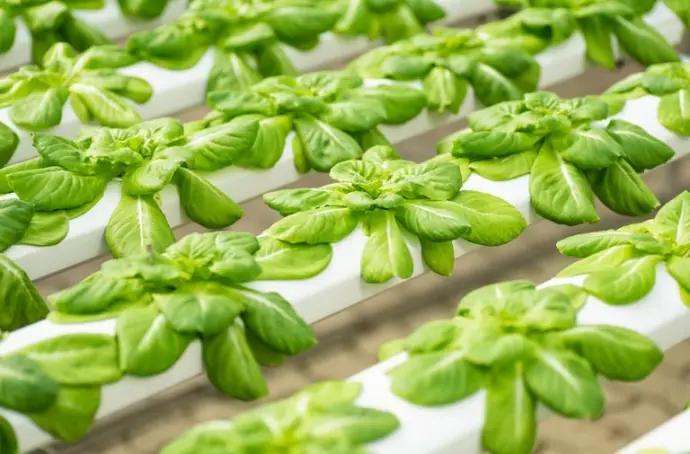
Among the most exciting developments in sustainable agriculture in the U.S. is the rise of hydroponics. This innovative farming method allows crops to grow without soil, using a nutrient-rich water solution instead. By eliminating the need for traditional soil-based farming, hydroponics reduces water usage and enables food production in areas with limited arable land. Hydroponic systems can be set up in urban areas, warehouses, and even shipping containers, making them ideal for cities where space and resources are limited.
Hydroponics has become particularly popular in urban environments across the U.S., where food deserts—areas with limited access to fresh produce—are a growing problem. In cities like New York, Los Angeles, and Chicago, hydroponic farms are cropping up in unexpected places, such as rooftops, basements, and vacant lots. These systems offer a sustainable solution to local food production, reducing the carbon footprint of transporting food from rural farms to urban centers. The ability to grow fresh produce year-round, regardless of weather conditions, also ensures a stable food supply for city dwellers.
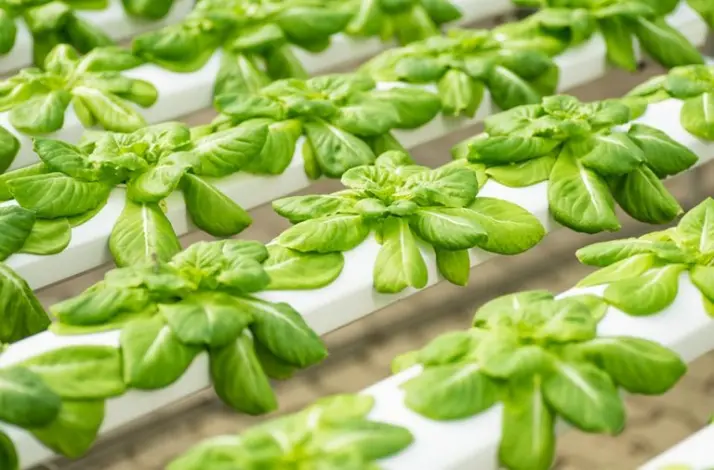
In addition to its environmental and logistical benefits, hydroponics offers higher crop yields and faster growth cycles compared to traditional farming. Hydroponic plants tend to grow faster, as they receive precisely the right nutrients and water they need. This efficiency allows farmers to harvest crops multiple times a year, increasing overall production and reducing the risk of food shortages. As climate change continues to affect traditional farming, hydroponics offers a resilient solution to ensure a consistent food supply.
The U.S. government has recognized the potential of hydroponics and other sustainable farming practices in addressing food security challenges. Federal and state-level programs are providing funding and support to farmers who adopt innovative techniques. For example, the U.S. Department of Agriculture (USDA) has launched initiatives to promote urban agriculture, including hydroponic farms, as a means of enhancing local food systems. In addition, private sector investments in agtech startups focused on hydroponics are rapidly increasing, further accelerating the growth of this industry.
Despite the promising future of sustainable agriculture, there are still hurdles to overcome. Scaling up hydroponic and other sustainable farming methods requires significant investment in infrastructure, technology, and education. Many small and mid-sized farmers may not have the resources or knowledge to transition to these new practices. However, as technology becomes more accessible and government incentives increase, the adoption of sustainable farming methods will likely expand. The key will be ensuring that all farmers, regardless of size, have the tools and support they need to succeed.
The Future is Now!