The Urban Food Revolution
Vertical farming and hydroponics are transforming urban agriculture in the U.S., offering sustainable, efficient solutions for food production.
As the global population continues to grow and urbanization accelerates, the demand for food is increasing, putting pressure on traditional farming systems. In the United States, cities are facing a new challenge: how to provide fresh, healthy food to growing urban populations while minimizing environmental impact. Vertical farming is emerging as a key solution to this problem, offering a sustainable, space-efficient way to grow food in urban areas. Combined with hydroponics, this innovative farming method has the potential to revolutionize food production in cities across America.
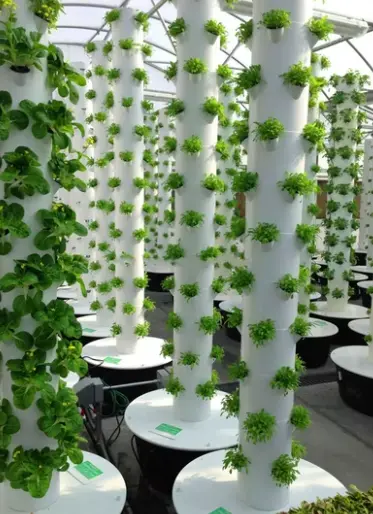
Vertical farming involves growing crops in stacked layers, often integrated into urban infrastructure such as warehouses, skyscrapers, or even repurposed shipping containers. This method allows for maximum use of space, making it ideal for areas where traditional farming is not feasible due to limited land availability. By moving food production indoors and upward, vertical farms are able to meet the growing food demands of urban centers while also reducing the reliance on farmlands, which are increasingly stressed by climate change and overuse.
One of the key benefits of vertical farming is its ability to reduce water consumption. Traditional farming uses large amounts of water, often through inefficient irrigation systems, which can be a significant strain on natural resources. Vertical farms, on the other hand, use hydroponic systems, which require up to 90% less water than conventional farming methods. In these systems, plants are grown with their roots submerged in a nutrient-rich water solution, eliminating the need for soil and minimizing water waste. This water-efficient approach is particularly beneficial in areas facing water scarcity, making it a promising solution for the future of agriculture in the U.S.
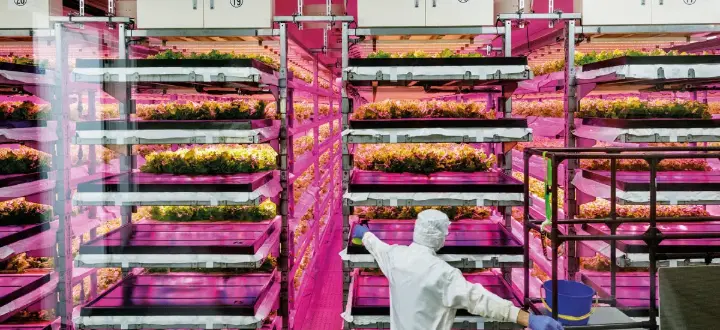
Hydroponics has become a major component of vertical farming in the United States, as it offers numerous advantages in terms of efficiency and productivity. By growing plants without soil, hydroponic systems allow for precise control over nutrients and growing conditions. This results in faster growth cycles and higher crop yields, enabling farmers to grow more in less time. Hydroponic vertical farms can be established in urban environments where traditional farming is not possible, such as on rooftops, inside vacant buildings, or in repurposed commercial spaces. This makes it an attractive option for cities looking to reduce their dependence on food imports and increase local food production.
The rise of vertical farming in the U.S. is being fueled by both technological advancements and consumer demand for sustainable, locally grown produce. In cities like New York, Los Angeles, and Chicago, urban farming startups are taking off, offering fresh produce to consumers while simultaneously reducing the carbon footprint of food transportation. Vertical farms can grow a wide range of crops, from leafy greens and herbs to strawberries and tomatoes, all within close proximity to where they are consumed. This not only reduces the environmental impact of transporting food long distances but also ensures that consumers have access to fresh, healthy produce year-round.
Climate change has made traditional farming methods less reliable, with unpredictable weather patterns, droughts, and extreme temperatures becoming more common. Vertical farming offers a solution to these challenges by providing a controlled environment for crops. In hydroponic vertical farms, temperature, humidity, and light can be precisely regulated, ensuring optimal growing conditions regardless of the weather outside. This makes vertical farming a more resilient and reliable food production method, able to withstand the unpredictable nature of modern agriculture.
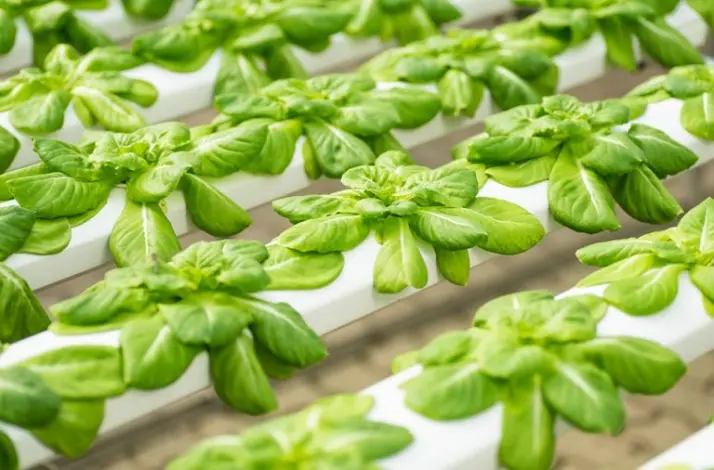
The environmental benefits of vertical farming go beyond water conservation. These farms can significantly reduce the need for pesticides and fertilizers, as the controlled environment helps prevent pest infestations and disease. Furthermore, by growing crops locally, vertical farms can minimize the carbon footprint associated with long-distance food transportation. With the U.S. looking for ways to combat climate change and reduce its reliance on fossil fuels, vertical farming represents a crucial step toward creating a more sustainable and eco-friendly food system.
In addition to environmental benefits, vertical farming is also economically advantageous. The compact, efficient design of vertical farms allows them to be built in urban areas where land costs are high. This reduces transportation costs and can make food production more affordable, especially in cities where food prices are rising due to supply chain disruptions or growing demand. Moreover, the ability to grow crops in controlled environments year-round ensures a consistent supply of fresh produce, making it a reliable source of income for urban farmers.
The U.S. government has recognized the potential of vertical farming and is beginning to invest in research and development to support this growing sector. Federal and state programs are providing funding and incentives for urban agriculture initiatives, including vertical farms. In addition, private investors are increasingly backing agriculture technology (agtech) startups focused on developing innovative solutions for sustainable food production. As the vertical farming industry continues to grow, it is expected to play a significant role in the future of food production in the U.S.
Despite the promising potential of vertical farming, there are still challenges to overcome. Initial setup costs can be high, as vertical farms require specialized equipment, such as LED lights and climate control systems, which can be expensive to install. However, as technology continues to improve and become more affordable, the costs of setting up vertical farms are expected to decrease. Additionally, there is a need for more education and training to equip the next generation of farmers with the skills needed to operate these high-tech systems. As the industry matures, these challenges are likely to become less of a barrier.
Hydroponic Kit N6P Tower System